





















Toyota is bringing the C‑HR name back to the U.S. market as an all-new, powerful battery electric vehicle, positioning it as a sporty, design‑driven entry in the booming compact electric SUV segment.
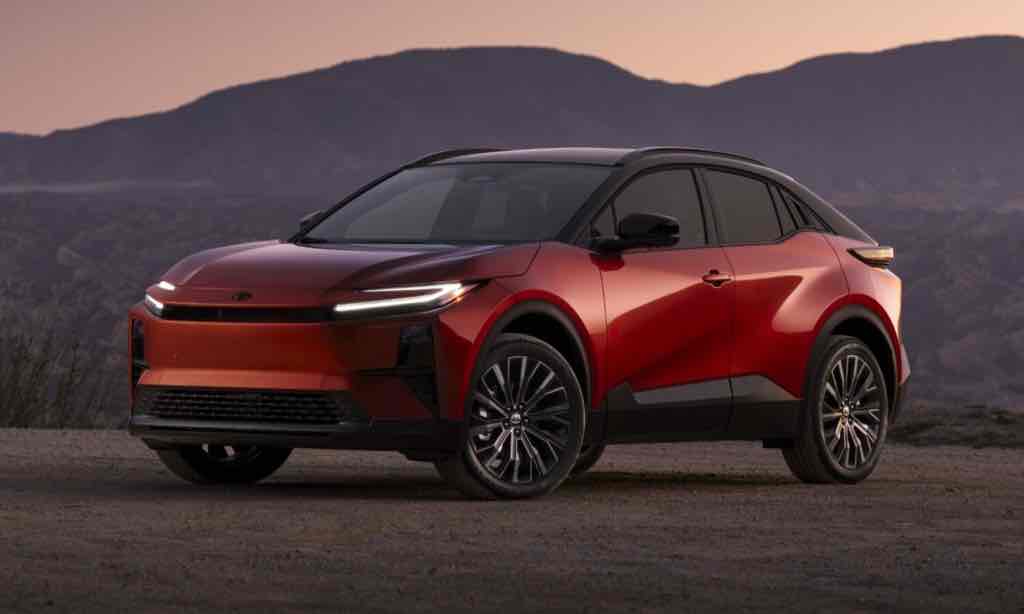
Riding on Toyota’s dedicated e‑TNGA EV platform, the 2026 C‑HR joins the brand’s growing BEV family alongside the revised bZ and new bZ Woodland SUVs when it arrives at U.S. dealerships in March 2026.
Athletic Coupe-Like Design with Everyday Utility
With its wide stance and coupe‑like profile, the 2026 C‑HR aims to stand out visually, combining an athletic, hammerhead-inspired front end with a compact cabin and angular rear. Despite its sleek roofline, the model delivers practical packaging, offering up to 25.3 cubic feet of cargo space behind the rear seats and as much as 59.5 cubic feet with the 60/40 split‑folding rear seatbacks folded flat.
Electric Powertrain: 338 hp and Standard AWD
Every 2026 C‑HR BEV is powered by dual electric motors mounted in front and rear eAxles, delivering a combined system output of 338 horsepower and 198/125 lb‑ft of torque front/rear.
Toyota estimates a 0–60 mph time of 4.9 seconds, with the low‑mounted 74.7‑kWh lithium-ion battery and cross‑framing structure designed to enhance rigidity, handling and overall driving confidence.[design.tutsplus]
Range, Charging and NACS Compatibility
The C‑HR’s 74.7‑kWh battery supports an EPA‑estimated range of 287 miles on the SE grade with 18‑inch wheels, while the XSE with 20‑inch wheels is rated at 273 miles.
A standard North American Charging Standard (NACS) port and DC fast‑charging capability allow 10–80 percent charging in around 30 minutes under ideal conditions, supplemented by Level 1 and Level 2 AC charging and an 11‑kW onboard charger.
Smart Charging Tech and Battery Management
Standard Plug & Charge capability enables automatic identification and billing at compatible charging networks, reducing the need for multiple apps and cards. Battery Preconditioning helps optimize pack temperature for faster DC fast‑charging and can be triggered manually in the settings or automatically when the navigation destination is set to a fast‑charging station with an active Drive Connect subscription.
Interior: Premium Touchpoints and High-Tech Ambience
Inside, the C‑HR presents a clean, open cabin layout with a slim driver display, a large 14‑inch central touchscreen and soft‑touch materials for a more premium feel.
Customizable ambient lighting, available panoramic roof, dual wireless smartphone chargers, rear USB‑C ports and rear cabin climate controls underline the focus on comfort and connected convenience for all occupants.
SE and XSE Grades: Style and Equipment Highlights
Toyota will offer the 2026 C‑HR in SE and XSE grades, with the SE already carrying a robust standard equipment list that includes the 14‑inch touchscreen, dual wireless chargers, heated front seats and steering wheel, and Toyota Safety Sense 3.0.
The XSE builds on this with 20‑inch gunmetal wheels, SofTex and synthetic suede‑trimmed seats, upgraded power adjustment with driver memory, Traffic Jam Assist, Lane Change Assist and a Panoramic View Monitor.
Connected Services and Infotainment
Every C‑HR comes with Toyota’s latest Audio Multimedia system on a 14‑inch touchscreen, featuring wireless Apple CarPlay and Android Auto, dual Bluetooth connectivity and available JBL Premium Audio with nine speakers and an 800‑watt amplifier.
Included trial periods for Drive Connect, Wi‑Fi Connect, Safety Connect, Service Connect and Remote Connect bring cloud‑based navigation, Intelligent Assistant voice control, streaming integration, vehicle health reports and remote climate and charging management via the Toyota app.
Advanced Safety and Driver Assistance
Toyota Safety Sense 3.0 is standard on all C‑HR models, bundling systems such as Pre‑Collision System with Pedestrian Detection, Full‑Speed Range Dynamic Radar Cruise Control, Lane Departure Alert with Steering Assist, Lane Tracing Assist, Road Sign Assist, Automatic High Beams and Proactive Driving Assist.
Additional safety technologies, including Blind Spot Monitor with Rear Cross‑Traffic Alert, Safe Exit Alert, Toyota’s Star Safety System and driver assistance features like Traffic Jam Assist, Lane Change Assist and Front Cross‑Traffic Alert, aim to elevate driver confidence in daily use.
Warranty Coverage and Ownership Experience
The 2026 C‑HR is backed by Toyota’s 36‑month/36,000‑mile basic warranty, 60‑month powertrain and corrosion coverage, and an 8‑year/100,000‑mile warranty on Electric Vehicle Driving Components, including the traction battery. ToyotaCare adds two years or 25,000 miles of factory‑scheduled maintenance and three years of roadside assistance, reinforcing the brand’s ownership value proposition in the all‑electric compact SUV space.
Pricing and Market Position
Toyota expects the 2026 C‑HR BEV to arrive at U.S. dealerships in March 2026 with a manufacturer’s suggested retail price starting at 37,000 dollars, excluding dealer processing and handling charges.
As the third BEV in the U.S. Toyota lineup and one of 21 electrified models, the C‑HR is positioned to attract style‑conscious, tech‑savvy buyers who want a compact SUV that blends bold design with strong electric performance and a comprehensive suite of safety and connectivity features.