























The U.S. used car market is being dominated by full‑size pickups, family SUVs, and a handful of bulletproof sedans, while EVs quietly build their own niche in the background. Tight inventories, high new‑car prices and elevated interest rates keep many buyers in the used segment, pushing demand – and values – for the most trusted nameplates even higher.
Trucks Still Rule: America’s Favorite Used Vehicles
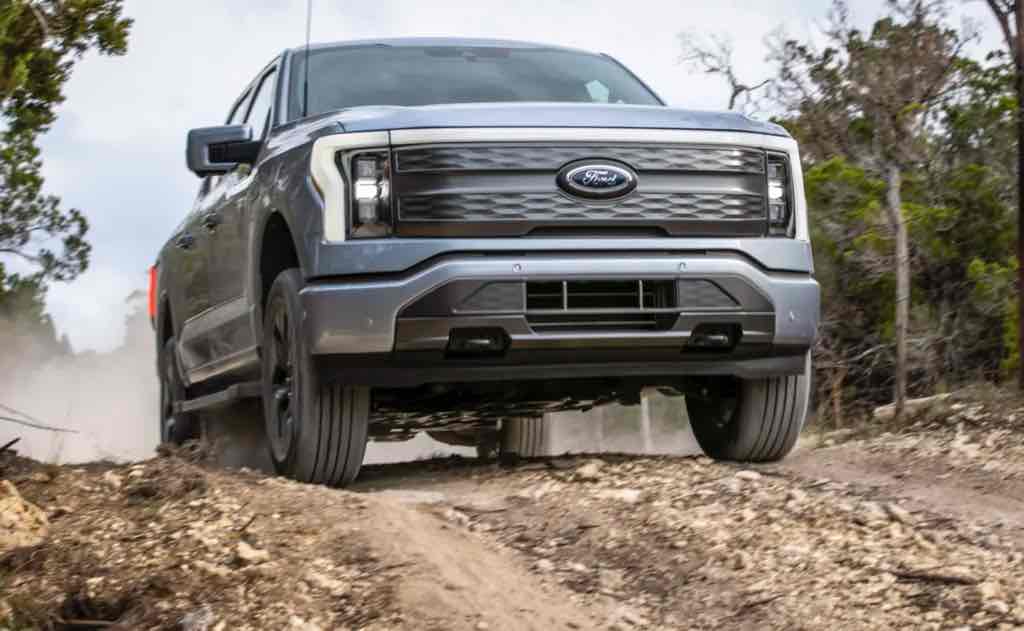
For another year, the Ford F‑150 remains the best‑selling used vehicle in the United States, ahead of its traditional rivals, the Chevrolet Silverado 1500 and Ram 1500. In many states, especially across the Midwest, South and Mountain regions, the F‑150 is still the single most popular used vehicle on the road, reflecting America’s ongoing love affair with full‑size pickups for both work and family use
Behind the “Big Three” trucks, the Chevrolet Equinox has emerged as the top‑selling used vehicle that isn’t a pickup, followed closely by high‑volume crossovers like the Nissan Rogue and Toyota RAV4. Sedans have not disappeared either: the Toyota Camry, Toyota Corolla, Honda Civic and Honda Accord continue to rank among the most sought‑after used cars, especially for budget‑conscious commuters looking for long‑term reliability.
The 10 Most Popular Used Vehicles in America
The latest nationwide data on 1‑ to 5‑year‑old used vehicles shows that nine out of the ten most popular used models are either trucks or SUVs, with just a single sedan making the cut. That mix underlines how deeply the U.S. market has shifted away from traditional passenger cars toward light trucks over the past decade.
Top 10 used vehicles in the U.S. (recent model years)
| Rank | Model | Type | Key appeal |
|---|---|---|---|
| 1 | Ford F‑150 | Full‑size truck | Versatile work/family vehicle, huge parts ecosystem |
| 2 | Chevrolet Silverado 1500 | Full‑size truck | Strong towing, broad trim spread, fleet volume |
| 3 | Ram 1500 | Full‑size truck | Comfortable ride, upscale trims, strong used demand |
| 4 | Chevrolet Equinox | Compact SUV | Mainstream family crossover, heavy fleet presence |
| 5 | Nissan Rogue | Compact SUV | Efficient, practical, widely available |
| 6 | Toyota Camry | Midsize sedan | Durability reputation, low running costs |
| 7 | Ford Explorer | Midsize SUV | Three‑row practicality, common fleet resale |
| 8 | Chevrolet Malibu | Midsize sedan | Ex‑rental volume after model cancellation |
| 9 | Toyota Corolla | Compact sedan | Very high reliability, ideal commuter car |
| 10 | Toyota Tacoma | Midsize truck | Strong resale, off‑road image, “forever truck” feel |
| [iseecars] |
One of the biggest movers lately is the Chevrolet Malibu, which jumped dramatically in popularity after GM cancelled the model and large numbers of ex‑rental and company cars hit the used market at aggressive price points. The Nissan Rogue and Toyota Corolla also climbed the rankings, while stalwarts like the Camry, Tacoma and RAV4 ceded a little ground but remain firmly within the top group.
SUVs and Crossovers: The Backbone of the Used Market
Within SUVs specifically, compact crossovers dominate the used landscape, driven by families looking for space, efficiency and all‑weather capability in one package. Vehicles like the Chevrolet Equinox, Nissan Rogue, Ford Explorer, Toyota RAV4 and Honda CR‑V are consistently among the fastest‑moving units on dealer lots, especially when they come with all‑wheel drive and mid‑level trim packages.
Most popular used SUVs (1‑ to 5‑year‑old vehicles)
| Rank | Model | Segment | Why buyers want it |
|---|---|---|---|
| 1 | Chevrolet Equinox | Compact SUV | Family‑friendly, plentiful fleet returns |
| 2 | Nissan Rogue | Compact SUV | Good value, strong safety credentials |
| 3 | Ford Explorer | Midsize SUV | Three rows, widely available, known quantity |
| 4 | Toyota RAV4 | Compact SUV | Reliability, efficiency, hybrid options |
| 5 | Honda CR‑V | Compact SUV | Comfortable ride, long‑term durability |
These SUVs benefit from being former lease or fleet vehicles, which means strong availability in 2‑ to 4‑year‑old age brackets with verifiable service history. As more households move away from sedans, these models have become the default choice for one‑car or two‑car families looking to balance daily commuting, weekend trips and occasional towing in a single vehicle.
EVs on the Used Market: Tesla Leads, Prices Normalize
The used EV segment is still relatively small in volume, but it is growing quickly and increasingly setting its own pricing dynamics. Resale values for many electric vehicles have been dropping faster than those of comparable gasoline cars, creating attractive deals for buyers willing to live with shorter range or older charging tech.
Most popular used EVs in the U.S. (1‑ to 5‑year‑old)
| Rank | Model | Share of used EV market | Position in previous year |
|---|---|---|---|
| 1 | Tesla Model 3 | 19.5% | 1 |
| 2 | Tesla Model Y | 19.3% | 2 |
| 3 | Ford Mustang Mach‑E | 5.0% | 4 |
| 4 | Volkswagen ID.4 | 3.9% | 9 |
| 5 | Tesla Model S | 3.0% | 8 |
| 6 | Tesla Model X | 3.0% | 7 |
| [iseecars] |
Tesla still dominates used EV sales, with the Model 3 and Model Y together accounting for nearly 40% of late‑model used EV transactions nationwide. Looking ahead, analysts expect a wave of off‑lease EVs to enter the market between 2026 and 2027, increasing supply and keeping pressure on used EV prices even as more buyers show interest.
Market Conditions: High Prices, Tight Supply, Shifting Mix
The overall U.S. used car market remains large and is forecast to keep growing, with one major research summary projecting an increase of about 40.2 billion dollars and a compound annual growth rate of roughly 4.3% between 2024 and 2029. However, buyers are facing a challenging environment: high new‑car MSRPs, elevated interest rates and only slowly improving inventories mean that used vehicles, especially popular trucks and SUVs, continue to command strong prices by historical standards.
Reduced new‑vehicle production during the 2021–2023 period and fewer leases written in those years have translated into thinner late‑model used supply, prompting many owners to hold on to their vehicles longer. At the same time, off‑lease volume is finally starting to recover, with around 400,000 additional units expected to return to the market in 2026 – a growing share of which will be EVs rather than gasoline‑powered vehicles.