





















The roar of V8 engines may once again echo across Formula 1 circuits, as new discussions and early leaks suggest the sport is seriously considering a return to one of its most beloved power unit eras. While the current hybrid V6 turbo engines were introduced to improve efficiency and sustainability, growing pressure from fans, teams, and even some stakeholders could push the sport toward a dramatic change in the coming years.
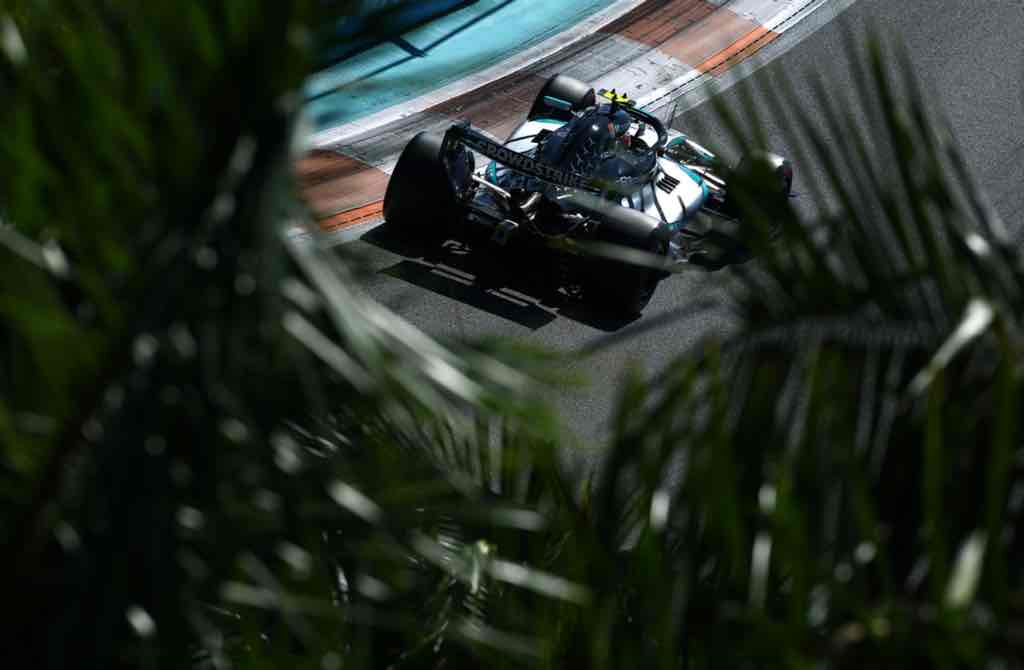
Why Formula 1 Moved Away from V8 Engines
Back in 2014, Formula 1 made a bold move by replacing the naturally aspirated V8 engines with 1.6-liter V6 turbo hybrid power units. The decision was driven primarily by the need to align the sport with modern automotive trends—efficiency, electrification, and sustainability.
While technologically impressive, the hybrid era has faced consistent criticism. Fans often point to the muted engine sound and increased complexity, while teams have struggled with the high development costs associated with hybrid systems.
Why the V8 Comeback Is Gaining Momentum
In recent months, discussions within the FIA and among team principals have intensified. Several key factors are fueling the idea of a V8 revival:
- Fan demand: Many longtime followers miss the raw, high-revving sound of V8 engines.
- Cost concerns: Hybrid systems are expensive to develop and maintain, creating financial strain for smaller teams.
- Sustainability alternatives: Advances in sustainable fuels could allow traditional combustion engines to meet environmental targets without heavy hybridization.
There is a growing belief that combining simpler engine architectures with carbon-neutral fuels could strike a better balance between performance, cost, and environmental responsibility.
Possible Timeline for the Return
Although nothing has been officially confirmed, early indications suggest that a V8 comeback would not happen immediately. The next major regulation cycle is already set for 2026, focusing on even more electrification and sustainable fuel usage.
However, insiders hint that the late 2020s—potentially around 2028 or 2029—could open the door for a revised engine formula. This would allow enough time for:
- Regulatory alignment between teams and governing bodies
- Development of fully sustainable fuels
- Gradual transition away from complex hybrid systems
Such a timeline would ensure that manufacturers can adapt without disrupting the current competitive balance.
What a Modern V8 Era Could Look Like
A potential return wouldn’t simply replicate the past. Instead, a modern V8 Formula 1 engine would likely feature:
- Sustainable or synthetic fuels to reduce carbon emissions
- Simplified hybrid elements or possibly none at all
- Lower development costs to attract new manufacturers
- Enhanced sound and fan experience
This approach could reintroduce the emotional appeal of classic F1 while still aligning with global environmental goals.
Challenges and Resistance
Despite the excitement, the idea is far from universally accepted. Some manufacturers have invested heavily in hybrid technology and may resist a shift that could render their expertise less relevant.
Additionally, Formula 1 has positioned itself as a leader in sustainable innovation. Moving away from hybrid systems could raise questions about the sport’s long-term environmental commitments.
A Defining Decision for the Future of Formula 1
The debate over engine philosophy highlights a broader identity question for Formula 1. Should the sport prioritize cutting-edge efficiency and electrification, or lean into its heritage and emotional appeal?
A return to V8 engines—especially if powered by sustainable fuels—could represent a compromise that satisfies both sides. For now, the idea remains under discussion, but momentum is clearly building.