





























Chevrolet has officially confirmed the return of the Bolt, signaling a major step forward in General Motors’ electric vehicle strategy. After discontinuing the original Bolt EV and Bolt EUV, the brand is now bringing back one of its most recognizable electric models—this time with a modernized approach, improved technology, and a clear focus on affordability and efficiency.
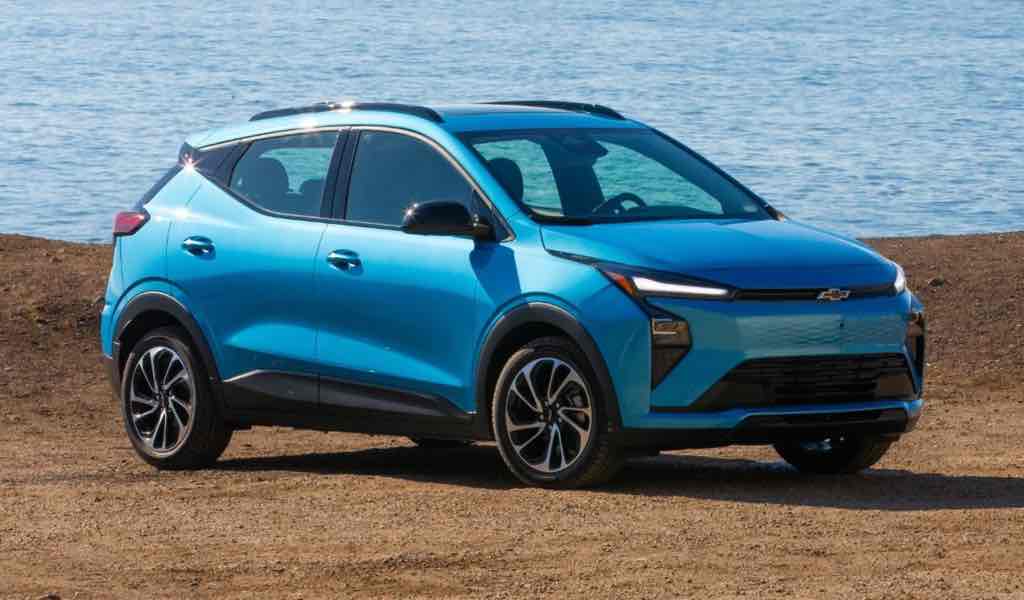
A Strategic Comeback for a Proven Nameplate
The return of the Chevrolet Bolt is far from a simple reboot. It represents a calculated move by Chevrolet to maintain a strong presence in the entry-level EV segment, where demand continues to grow rapidly. The original Bolt was widely praised for making electric mobility accessible to a broader audience, and this new generation aims to build on that legacy.
Rather than replacing the Bolt with an entirely new nameplate, Chevrolet is leveraging its established reputation. The Bolt name carries recognition, trust, and a proven track record—key advantages in an increasingly competitive EV market.
Ultium Platform Brings Next-Generation Technology
One of the most significant upgrades for the new Bolt is its transition to GM’s advanced Ultium platform. This modular battery and propulsion system underpins many of GM’s latest electric vehicles and allows for greater flexibility, improved efficiency, and reduced production costs.
With Ultium, the new Bolt is expected to deliver:
- More efficient battery packaging
- Potentially improved range
- Faster charging capabilities
- Lower manufacturing complexity
This shift also aligns the Bolt with GM’s broader electrification roadmap, ensuring compatibility with future technologies and software updates.
Affordability Remains the Core Mission
Chevrolet has made it clear that affordability will remain at the heart of the Bolt’s identity. While many automakers are pushing EVs into higher price brackets, the Bolt is designed to remain accessible to everyday drivers.
This positioning is crucial as EV adoption continues to expand. A competitively priced electric vehicle can serve as a gateway for first-time EV buyers—something the original Bolt successfully achieved.
By combining Ultium technology with cost-efficient production, Chevrolet aims to deliver a compelling balance between price, performance, and practicality.
Designed for Modern Drivers
Although full design details have not yet been revealed, the next-generation Bolt is expected to feature:
- Updated exterior styling with a more contemporary look
- Improved interior quality and digital interfaces
- Enhanced connectivity and infotainment systems
- Advanced driver-assistance features
Given the rapid evolution of in-car technology, the new Bolt will likely reflect the latest trends in user experience and digital integration.
Production Efficiency and Market Impact
The reintroduction of the Bolt also reflects a smarter manufacturing strategy. By utilizing existing infrastructure and proven concepts, GM can streamline production while minimizing costs and risks.
This approach allows Chevrolet to respond quickly to market demand while maintaining competitive pricing—an essential factor in the fast-evolving EV landscape.
The Bolt’s return could also influence competitors, particularly in the affordable EV segment, where strong offerings remain relatively limited.
A Key Piece of GM’s Electric Future
The revival of the Chevrolet Bolt underscores GM’s commitment to electrification at every price level. While premium EVs often dominate headlines, mass-market models like the Bolt are critical for widespread adoption.
As the EV market continues to mature, vehicles like the Bolt will play a central role in bridging the gap between early adopters and mainstream consumers.With updated technology, a familiar name, and a renewed focus on value, the Bolt is poised to once again become a cornerstone of Chevrolet’s electric lineup.