




















For years, the automotive industry seemed determined to replace every physical switch with a touchscreen. Mercedes-Benz was one of the biggest advocates of this digital-first approach, but now the German luxury brand is reversing course. Future Mercedes models will once again feature physical buttons for key functions, signaling a major shift toward improved usability and driver safety.
Drivers Have Spoken
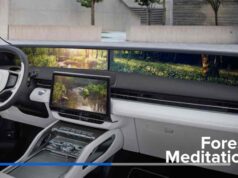
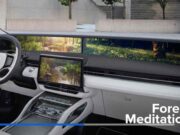
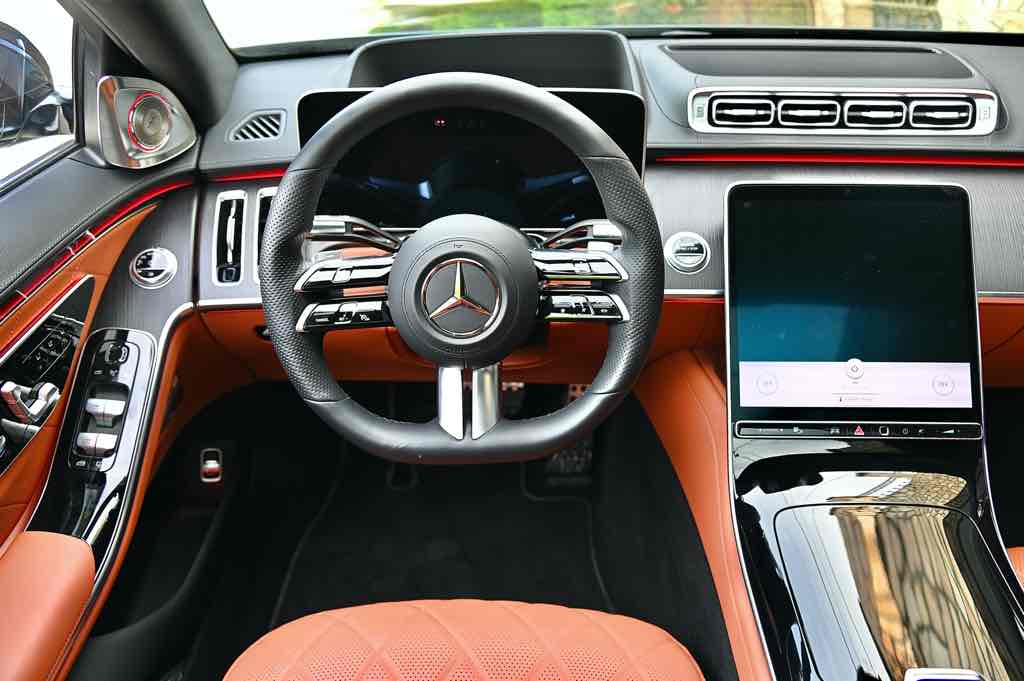
Mercedes has spent the past several years creating some of the most visually impressive digital interiors in the industry. Massive displays like the MBUX Hyperscreen transformed the cabin into what feels more like a high-end consumer electronics device than a traditional automobile.
While the futuristic design attracted plenty of attention, many owners found that relying almost entirely on touchscreen controls made everyday tasks more complicated than they needed to be.
According to Mercedes, customer feedback and real-world usage data pointed to the same conclusion: certain vehicle functions are simply easier, faster, and safer to operate with physical controls. As a result, the company has decided to bring dedicated buttons back to future models.
The Screens Aren’t Going Anywhere
This doesn’t mean Mercedes is abandoning its digital strategy.
Large infotainment displays will remain a defining feature of the brand’s interiors, continuing to deliver advanced navigation, connectivity, vehicle settings, and entertainment features. However, frequently used controls—such as climate settings, audio adjustments, and some steering wheel functions—will once again be accessible through physical buttons, switches, or rotary controls.
The goal is to create a cabin that combines cutting-edge technology with intuitive usability.
Safety Is Part of the Equation
The move also reflects growing concerns about distracted driving.
Touchscreen-only interfaces often require drivers to take their eyes off the road to navigate menus or locate virtual buttons. Even simple tasks like adjusting the cabin temperature or changing the fan speed can involve multiple taps on a screen.
Physical buttons, on the other hand, can often be identified by touch alone. Drivers can build muscle memory over time, allowing them to make adjustments without looking away from traffic.
As more safety organizations and industry experts highlight the importance of minimizing driver distraction, manufacturers are beginning to rethink the “all-touchscreen” philosophy.
Mercedes Isn’t Alone
Mercedes is far from the only automaker reconsidering its interior design strategy.
Over the past decade, manufacturers across the industry embraced touchscreen-heavy cabins to create a cleaner, more futuristic appearance while also simplifying production. However, customer preferences have gradually shifted, with many drivers asking for a better balance between digital technology and traditional controls.
Mercedes’ decision could encourage other premium automakers to follow a similar path.
Finding the Right Balance
Rather than choosing between technology and practicality, Mercedes appears to be aiming for the best of both worlds.
Digital displays, AI-powered features, and connected services will continue to play an increasingly important role in the driving experience. At the same time, restoring physical controls for frequently used functions recognizes that convenience and safety still matter just as much as innovation.
For many drivers, this represents welcome news. The next generation of Mercedes vehicles may once again allow owners to adjust essential settings with a simple press or turn of a button instead of navigating multiple touchscreen menus.