






















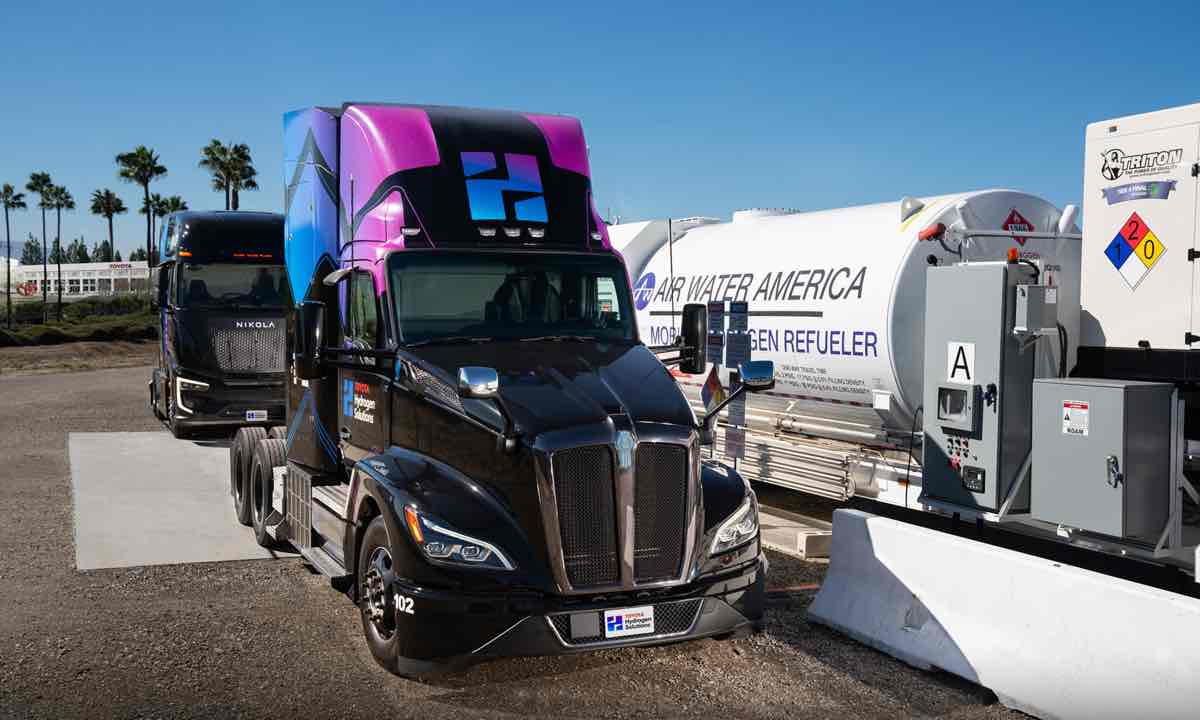
Toyota has reached another milestone in its heavy-duty hydrogen truck program, demonstrating refueling in approximately eight minutes for a driving range of up to 450 miles. Announced on October 20, 2026, the results accompany new fueling infrastructure in California as Toyota prepares for production trucks using its fuel cell technology to enter commercial operations in 2027.
High-Flow Hydrogen Fueling Targets Shorter Stops
Testing with the National Laboratory of the Rockies followed SAE J2601-5 standards and evaluated 70 MPa high-flow fueling. The technology supports hydrogen delivery at up to 300 grams per second, approximately five times the rate of conventional light-duty fueling equipment.
For fleet operators, the practical attraction is the relationship between driving range and downtime. A truck’s usefulness depends partly on how efficiently it can return to work after stopping for energy. Faster fueling could make hydrogen more attractive for demanding freight schedules, although a successful demonstration alone does not establish the economics of operating an entire fleet.
California Infrastructure Moves Forward
Toyota has installed two mobile hydrogen fuelers at its North American Parts Center California. They will support trucks transporting freight between the Port of Los Angeles, Ontario, California, and surrounding areas.
A permanent public station is also planned, with conventional and high-flow truck fueling and a separate light-duty vehicle area. Initial truck support will involve vehicles commissioned through Hyroad Energy, followed by trucks equipped with Toyota’s certified fuel cell powertrain. prnewswire.com
The Next Test Is Everyday Freight Service
The combination of fueling research and logistics infrastructure gives Toyota a route toward evaluating the technology in daily service. The next meaningful measure will be how consistently trucks and stations perform together across repeated working shifts. For commercial operators, dependable access to fuel will matter alongside the speed of an individual stop.