


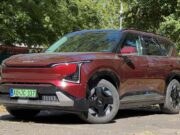
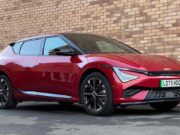








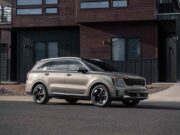







The Kia K4 Hatchback GT-Line Turbo is one of those cars that makes a strong first impression without trying too hard. With its striking design, turbocharged 1.6-liter engine, sophisticated digital cockpit, and genuinely practical five-door body, Kia has created a compact hatchback that feels considerably more ambitious than its price tag suggests. But the real question is whether its sporty appearance translates into an equally satisfying driving experience. Taking a closer look at the K4 GT-Line Turbo from the perspective of everyday driving in South Florida reveals a compelling combination of performance, comfort, technology, and versatility — along with a few compromises worth considering.
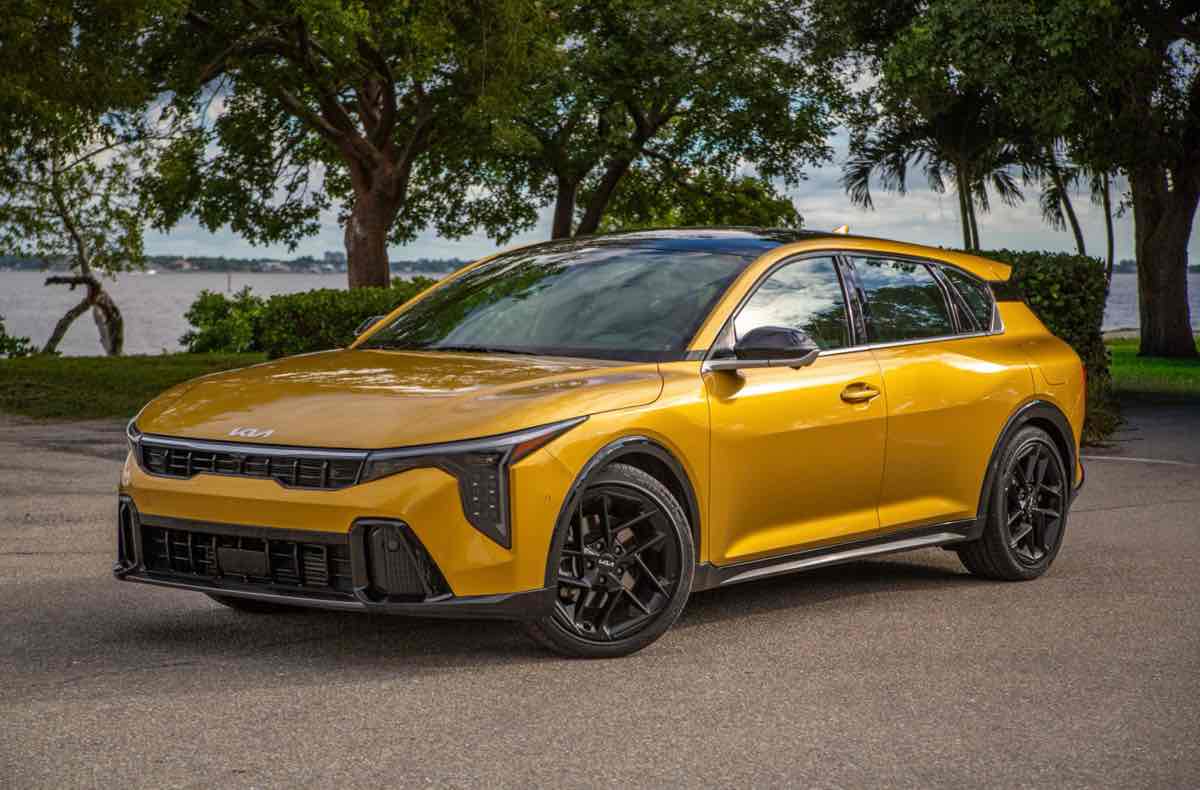
First Impressions: A Compact Hatchback With a Distinctive Personality
There was a time when compact hatchbacks were primarily about affordability, fuel efficiency, and practicality. Design and driving enjoyment often came second. The Kia K4 Hatchback GT-Line Turbo takes a noticeably different approach.
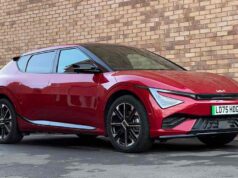
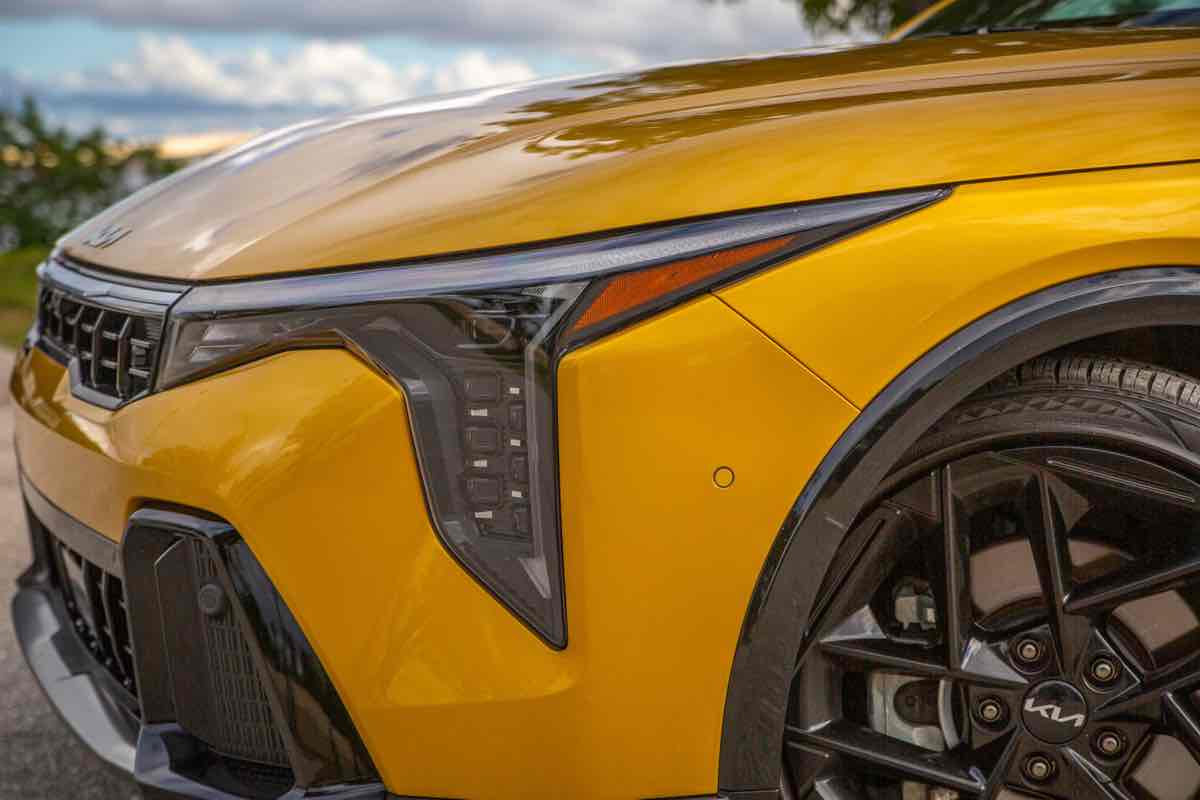
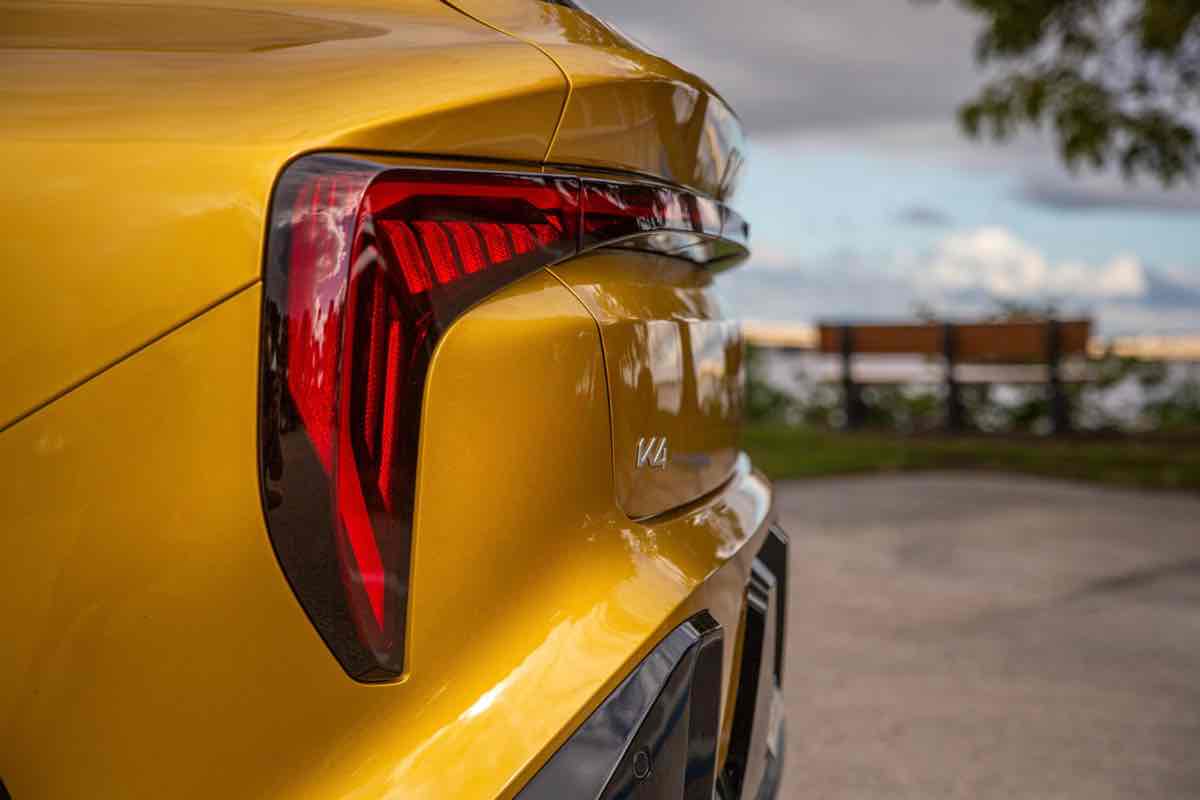
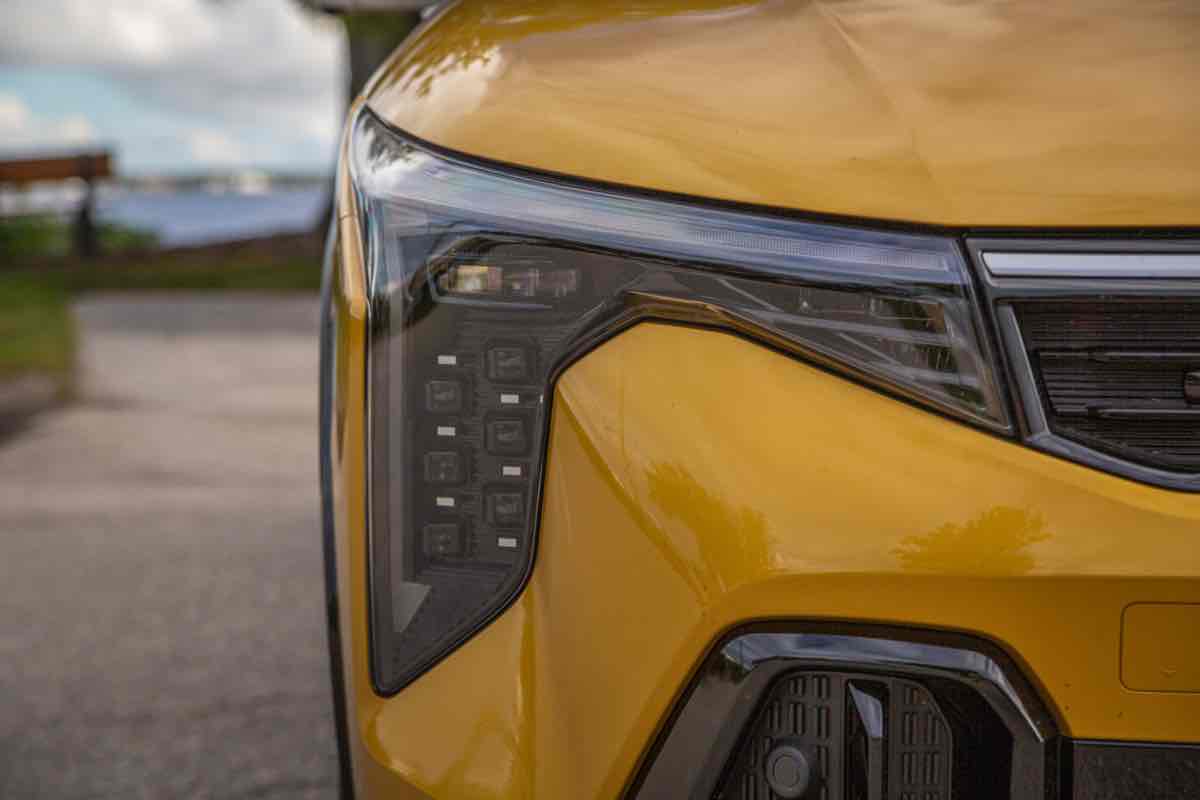
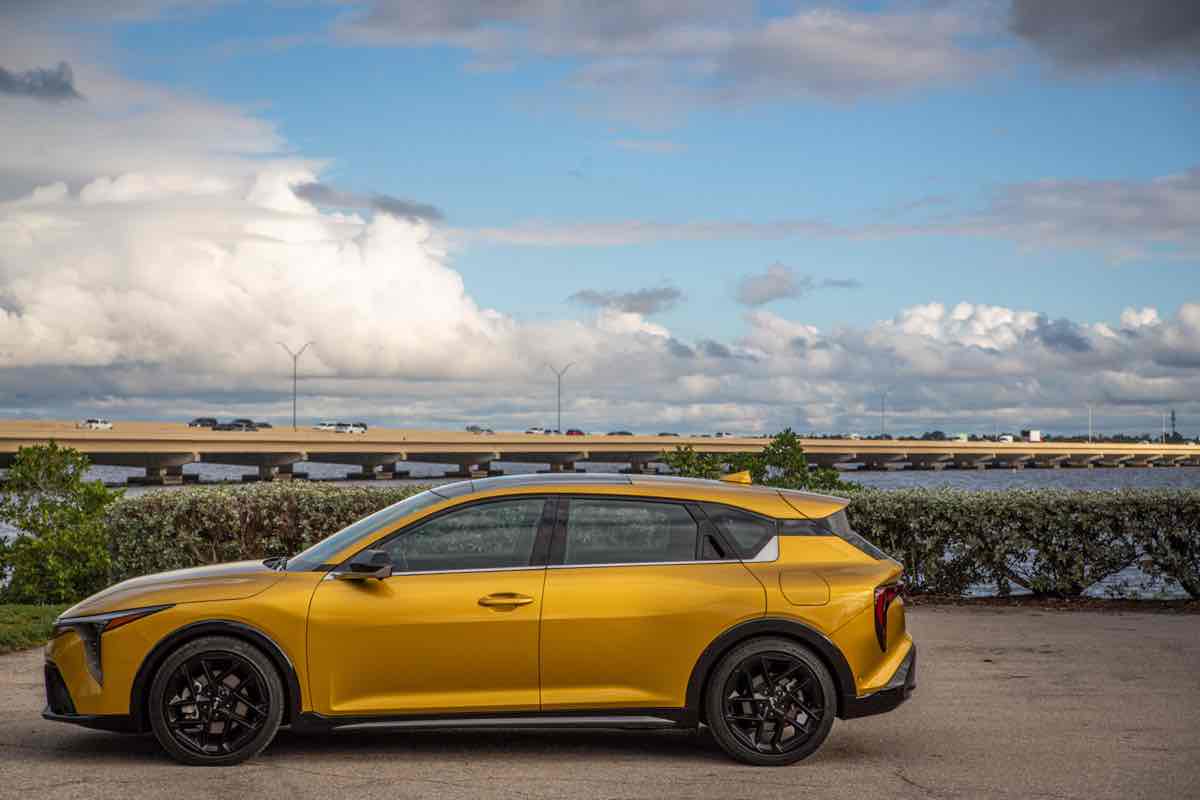
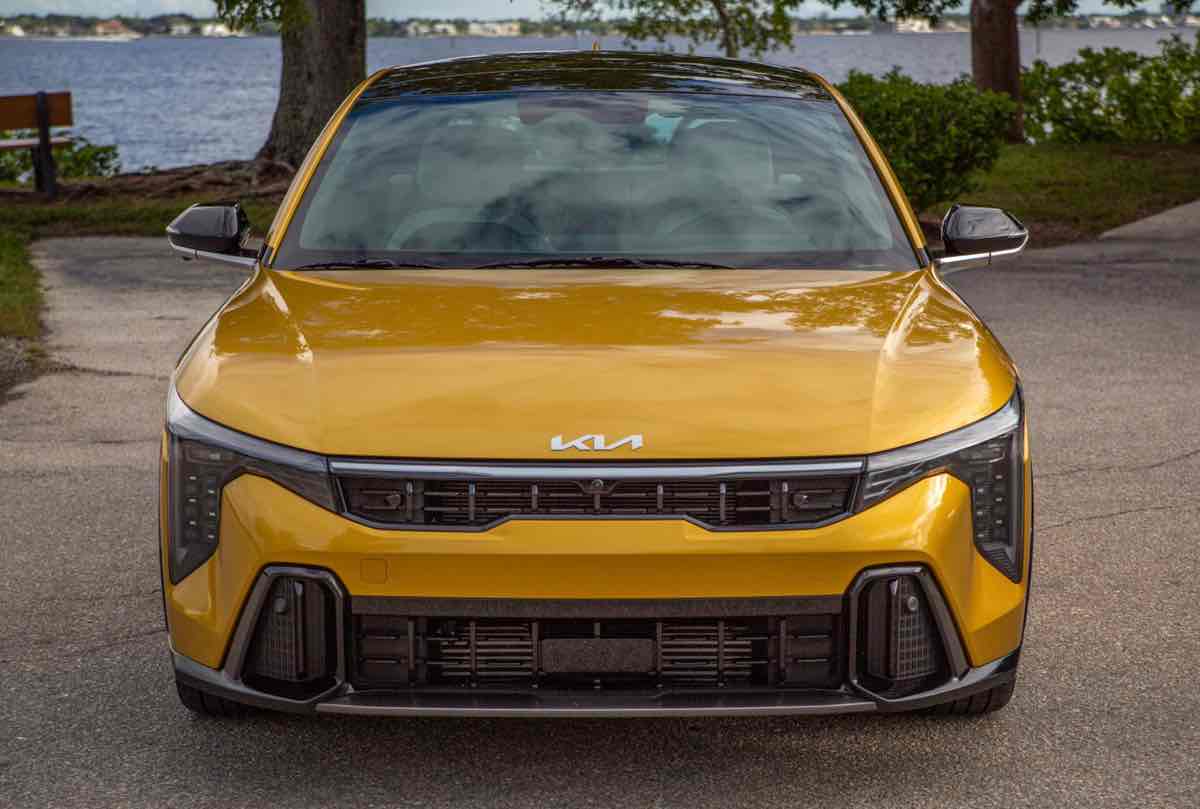
Its exterior immediately communicates that this is not intended to be another anonymous compact car. The aggressive front fascia, distinctive LED lighting signature, sculpted bodywork, and relatively low roofline give the K4 a much stronger visual identity than many competitors. The hatchback proportions are particularly appealing.
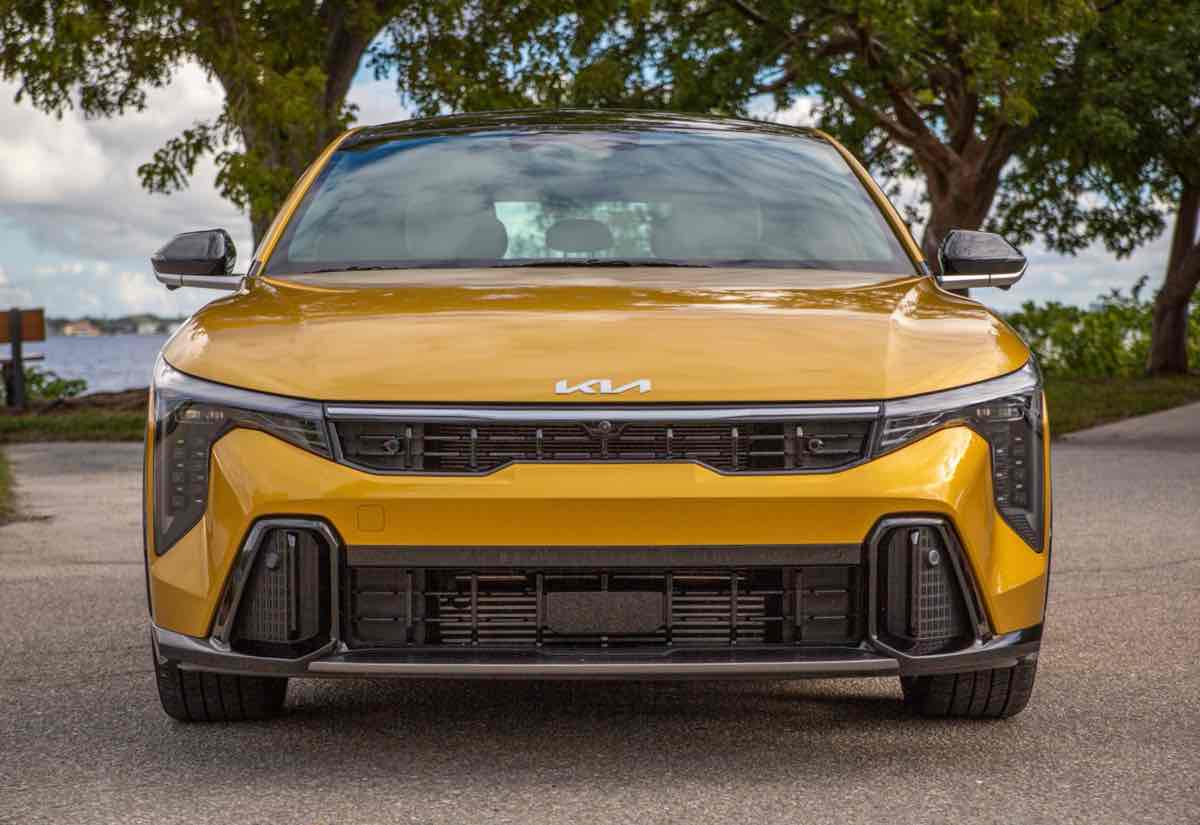
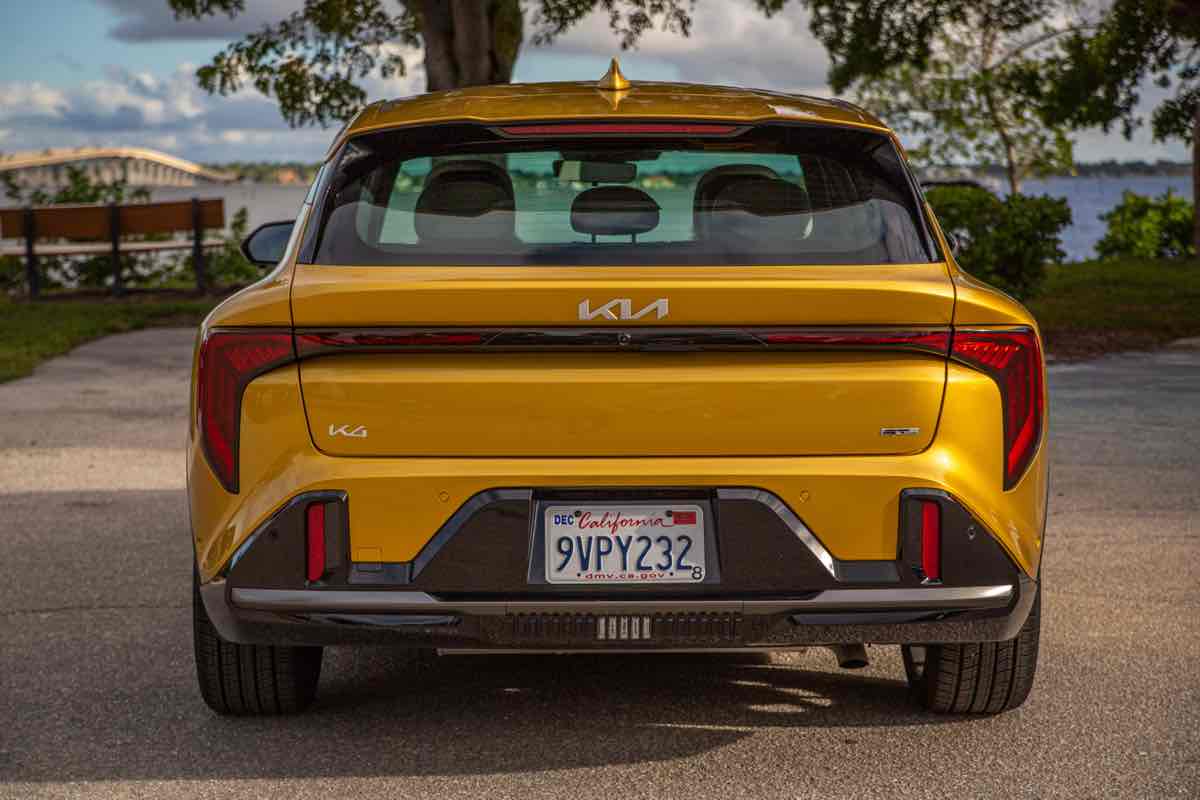
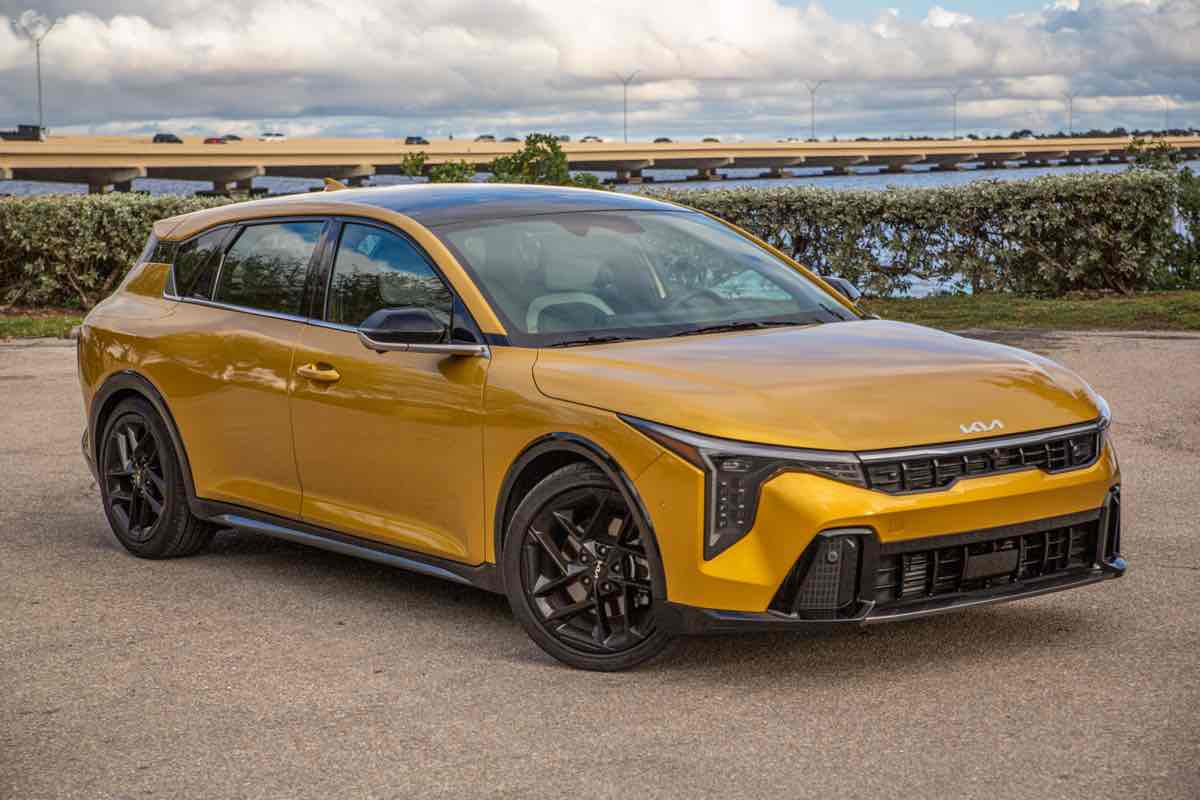
Unlike the K4 sedan, which adopts a dramatic fastback-inspired silhouette, the hatchback features a shorter rear section and a more practical tailgate. The result is a vehicle that looks compact, athletic, and surprisingly substantial. The GT-Line Turbo adds another layer of visual sophistication with its 18-inch alloy wheels, sporty exterior detailing, and distinctive lighting elements. What makes the design interesting is that Kia has avoided making the K4 look like a conventional hot hatch.
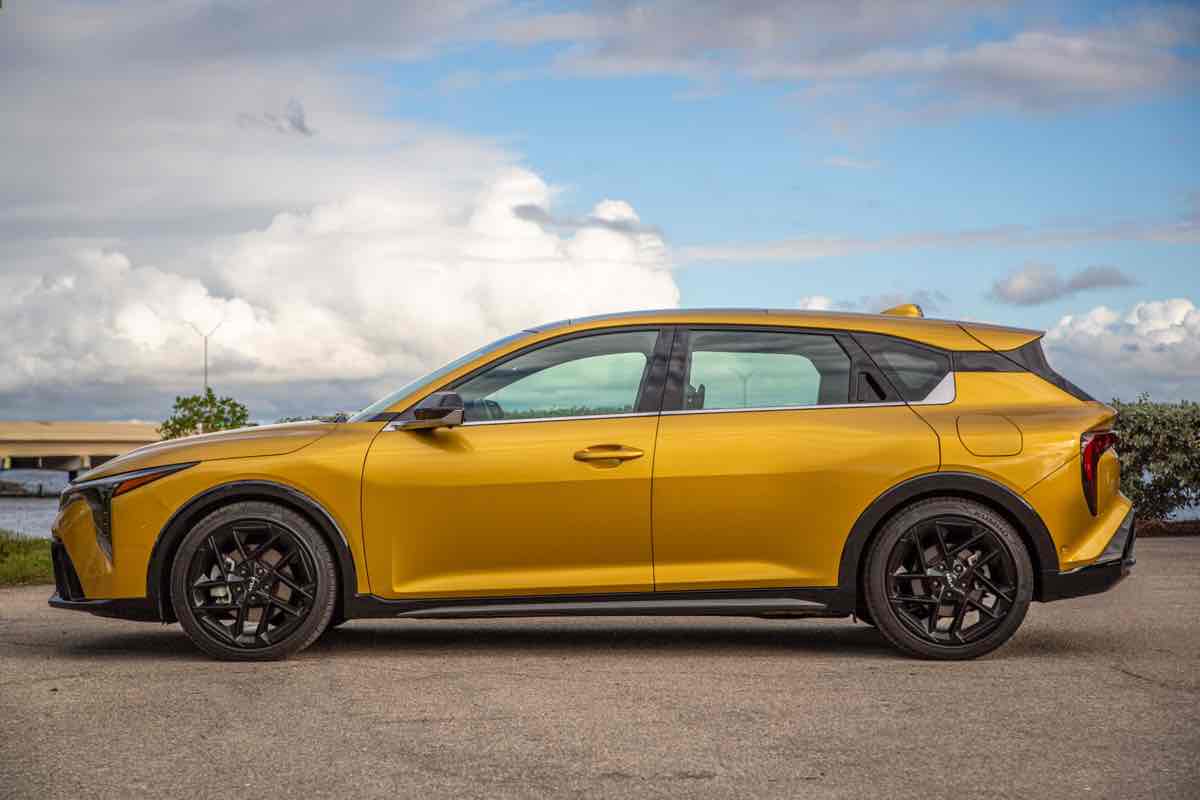
Instead, it feels like a modern compact grand tourer: stylish enough to attract attention, practical enough for everyday responsibilities, and sporty without appearing unnecessarily aggressive.
That balance is arguably one of the K4 Hatchback’s greatest strengths.
Exterior Design: Modern Kia Styling at Its Best
Kia’s recent design evolution has produced some of the most recognizable vehicles in the mainstream automotive market.
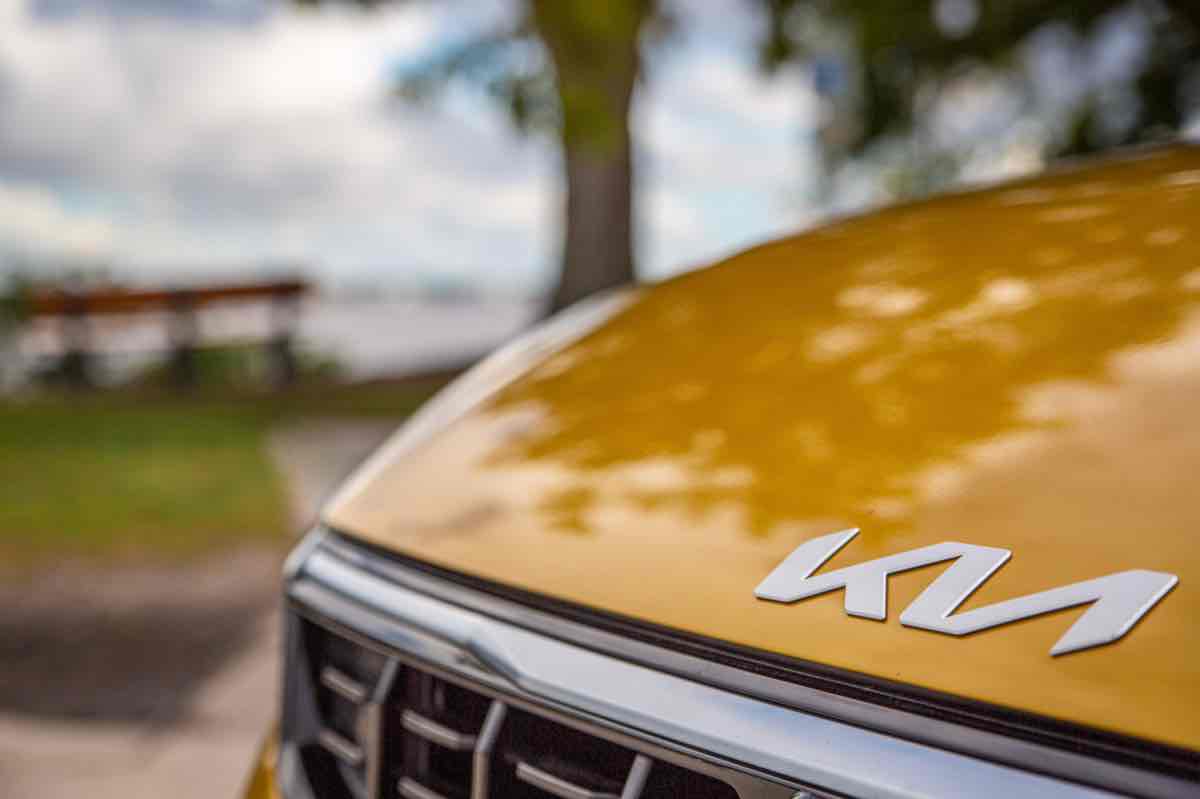
The K4 Hatchback continues that direction. Up front, the vertically oriented lighting elements and sharp LED daytime running lights create an unmistakable visual signature. The relatively wide grille treatment and sculpted bumper reinforce the impression of a larger, more expensive vehicle.
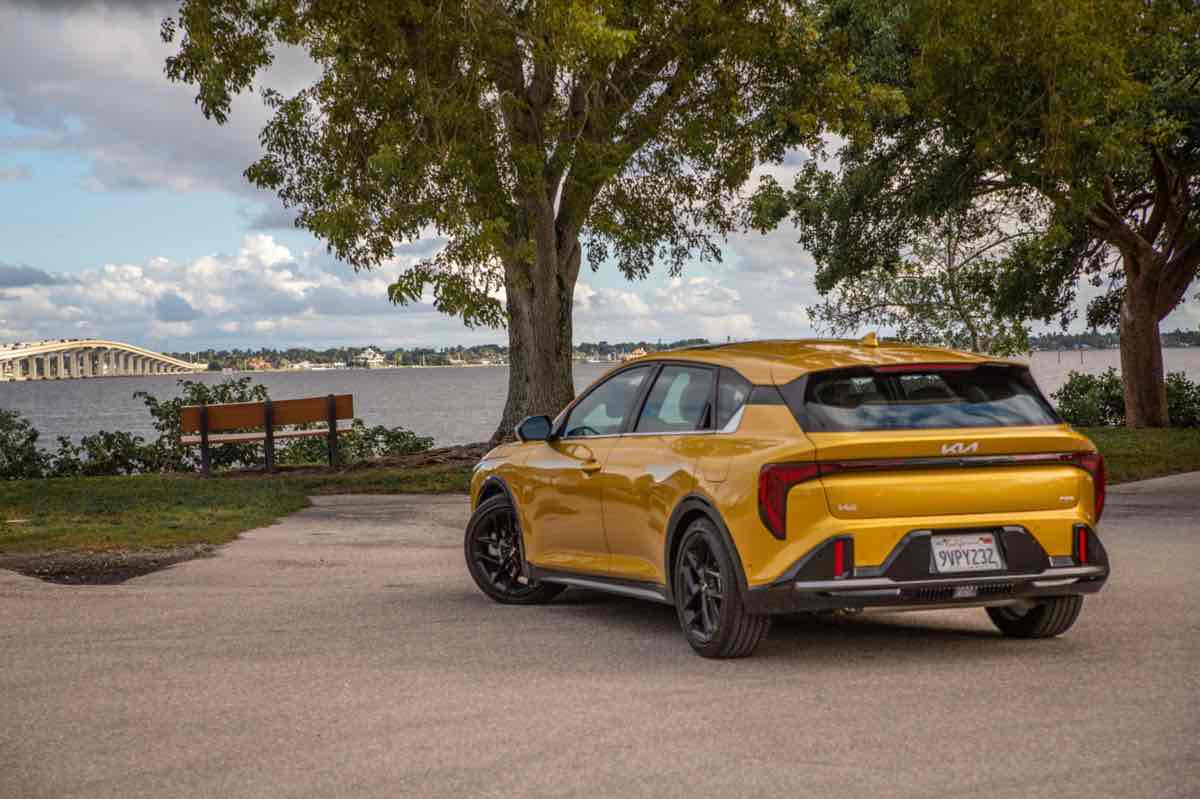
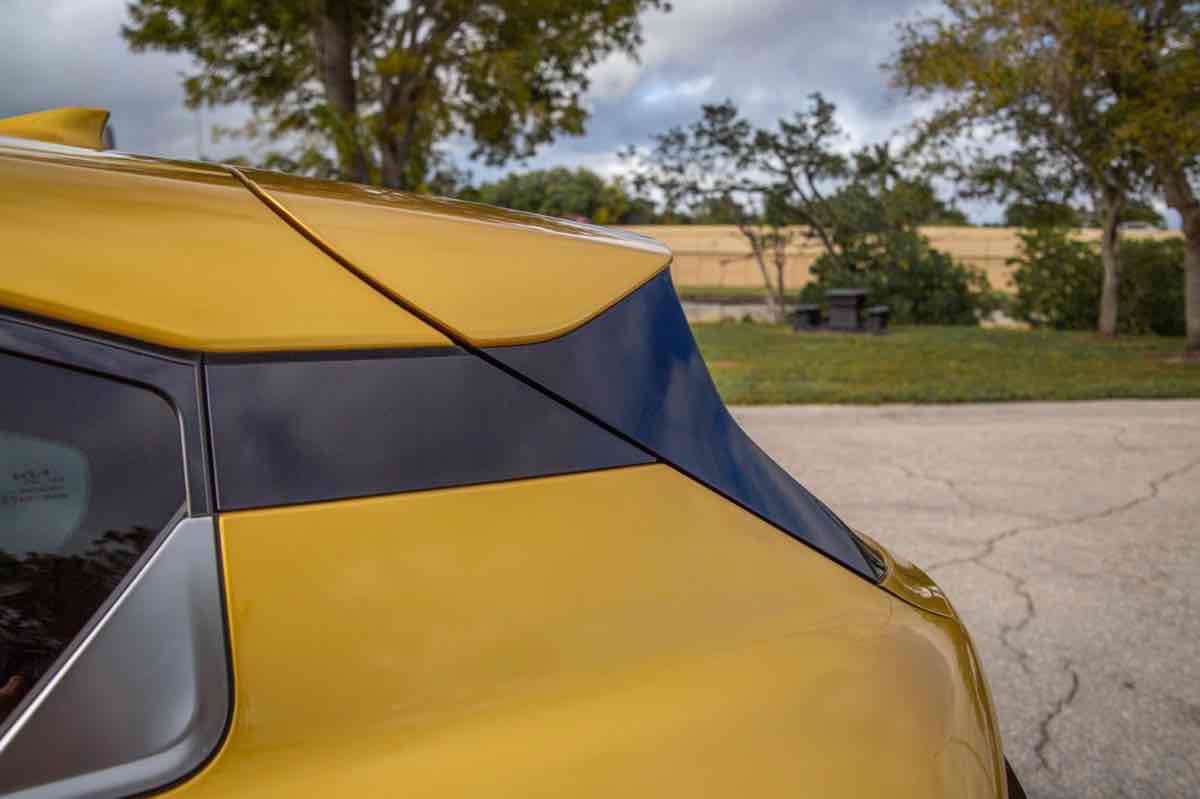
From the side, the K4’s proportions are particularly successful. The relatively long wheelbase, pronounced shoulder line, and distinctive rear-quarter design give the car a confident stance. The GT-Line Turbo’s 18-inch wheels complement the body without appearing oversized, although the relatively low-profile tires inevitably introduce some compromises when driving over damaged pavement.
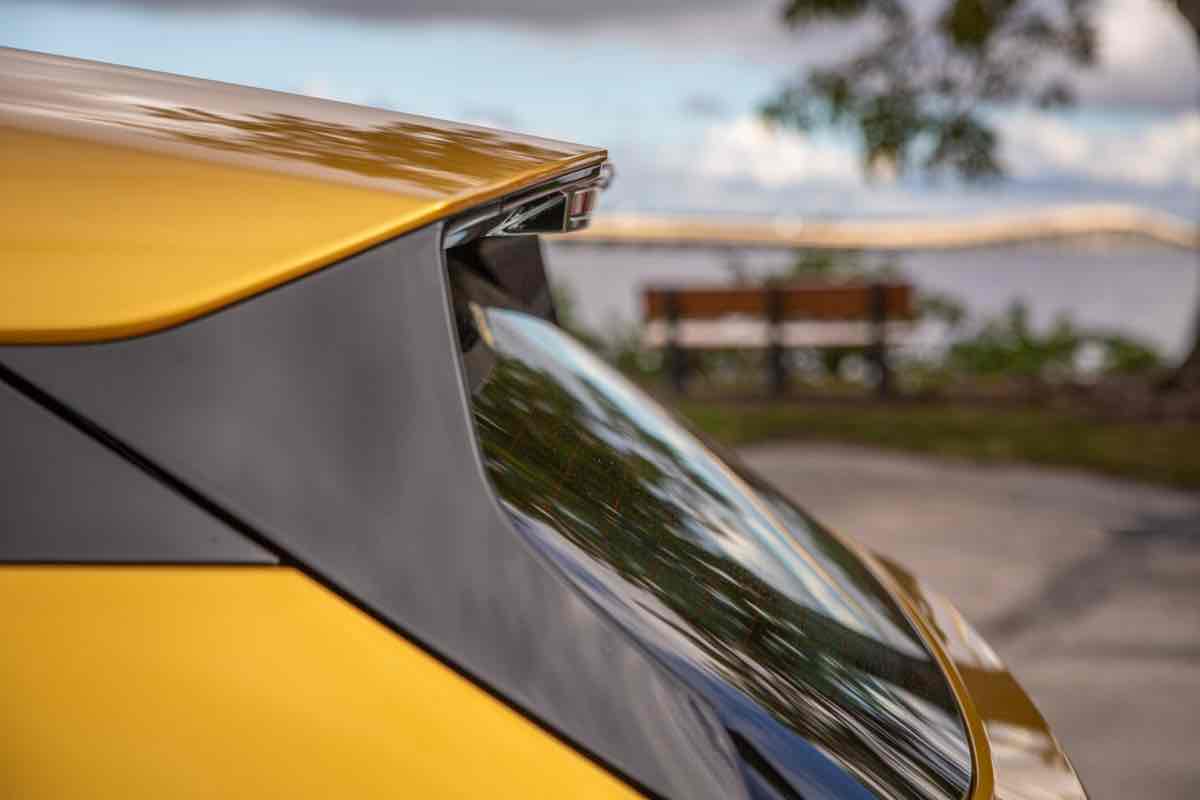
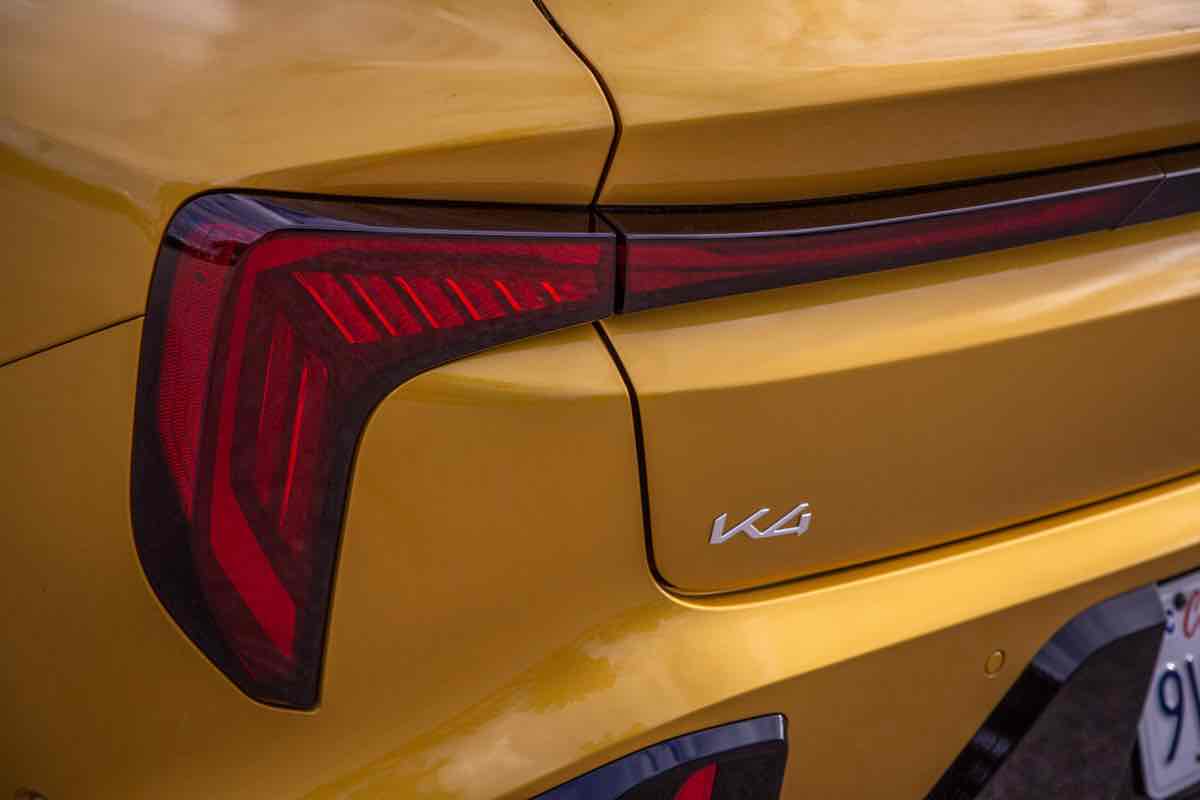
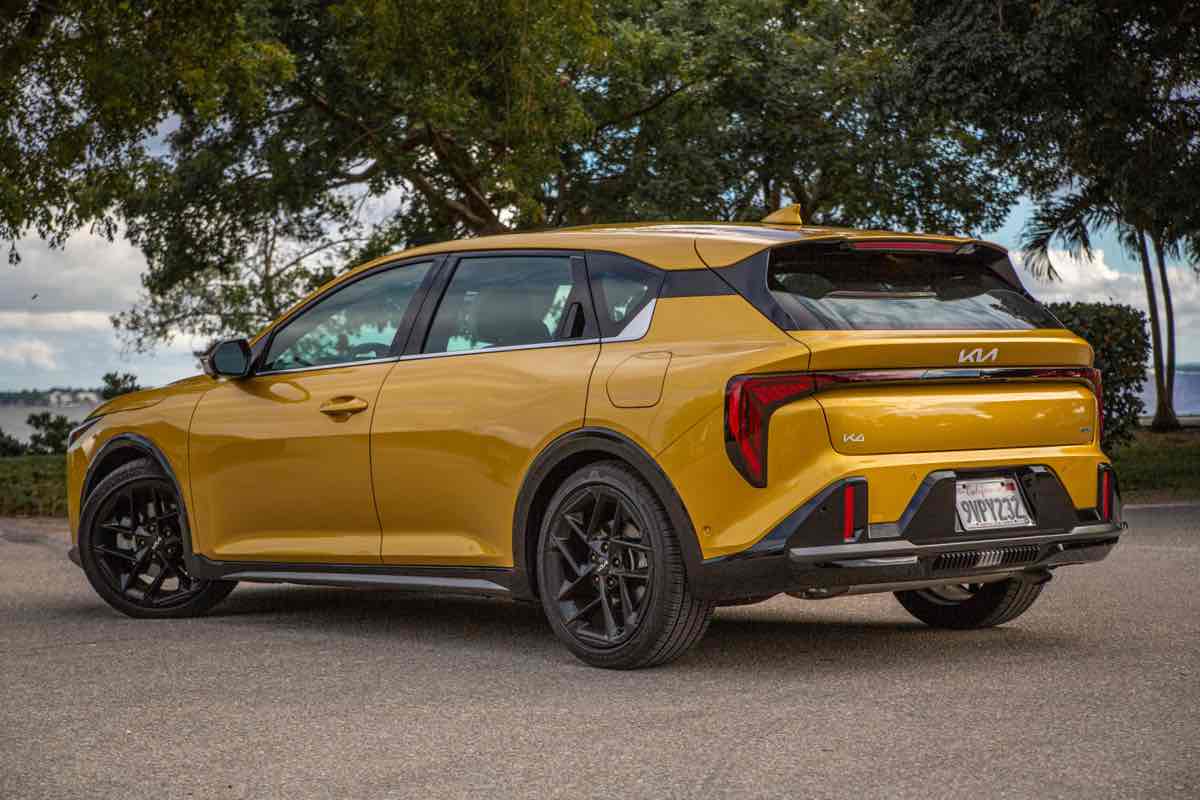
At the rear, Kia has successfully integrated the hatchback opening into the overall design. This is important because some sedan-derived hatchbacks can look awkward around the rear pillars. The K4 manages to retain a coherent, purposeful appearance. The rear lighting arrangement also reinforces the car’s futuristic personality.
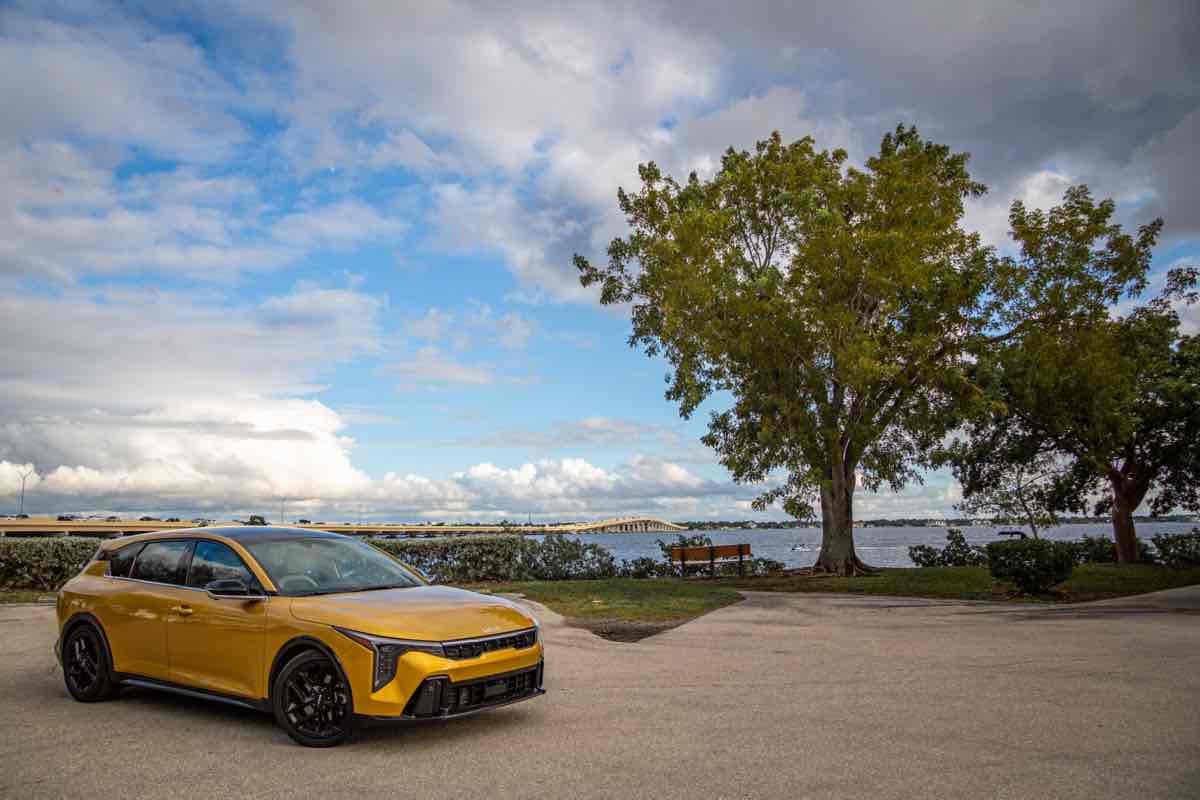
Overall, the K4 Hatchback GT-Line Turbo looks considerably more distinctive than its conventional compact-car classification might suggest. And in a market increasingly dominated by crossovers, its lower, more athletic silhouette is refreshing.
Under the Hood: The 1.6-Liter Turbo Makes All the Difference
The most important mechanical distinction between the regular K4 and the GT-Line Turbo is found beneath the hood. The standard K4 Hatchback uses a naturally aspirated 2.0-liter four-cylinder engine producing 147 horsepower.
The GT-Line Turbo replaces that engine with a significantly more interesting powertrain. Its 1.6-liter turbocharged gasoline direct-injection four-cylinder produces 190 horsepower at 6,000 rpm and 195 lb-ft of torque between 1,700 and 4,500 rpm. Those figures are particularly relevant in everyday driving.
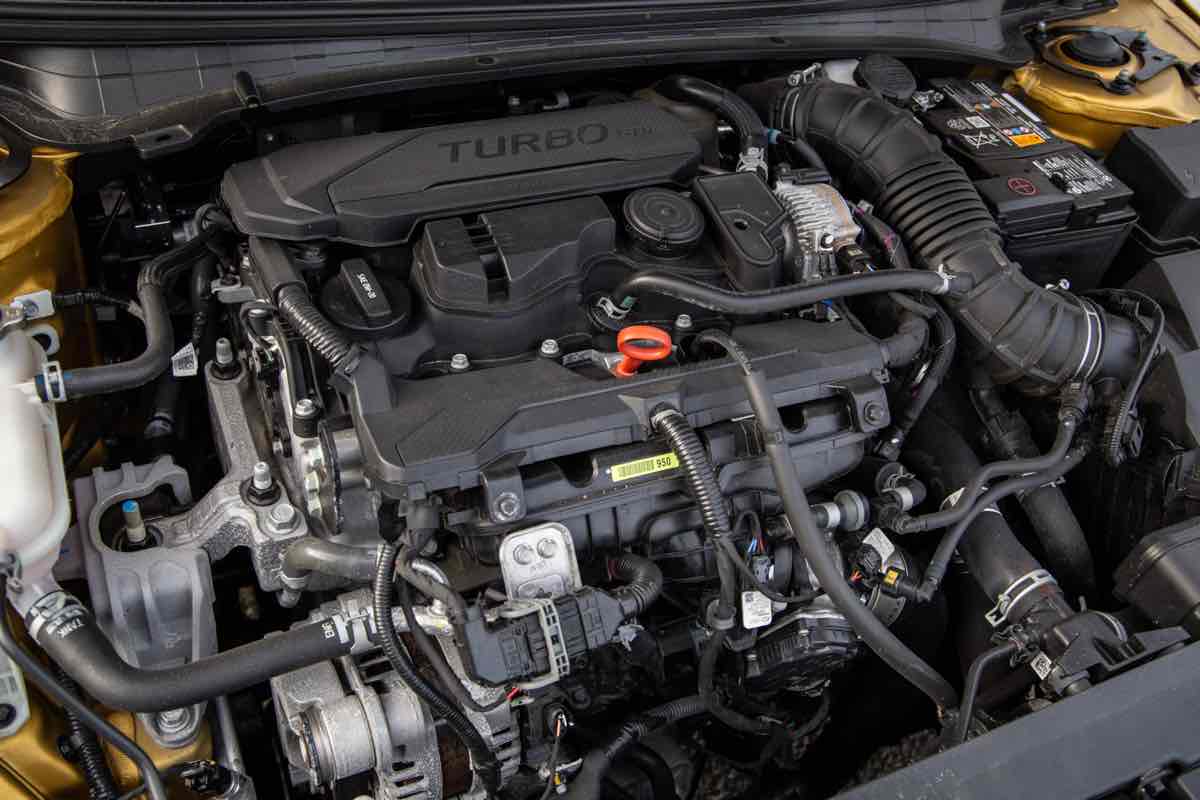
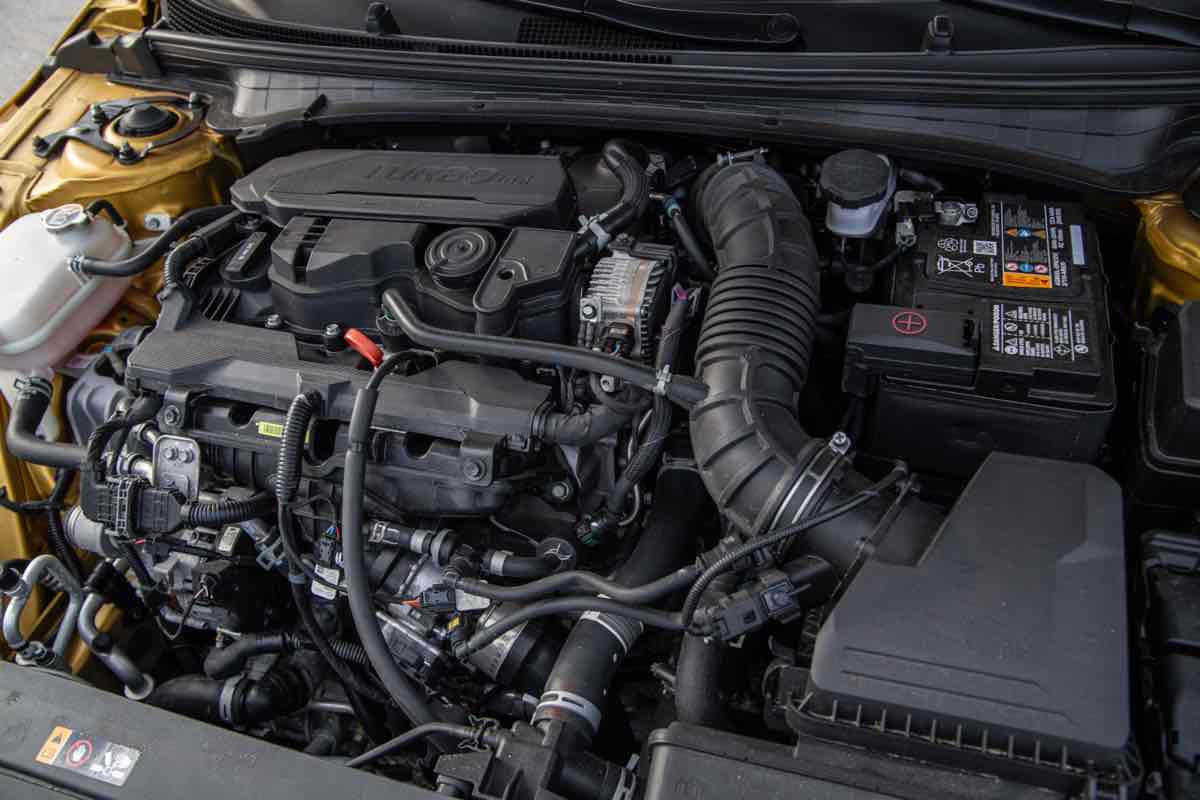
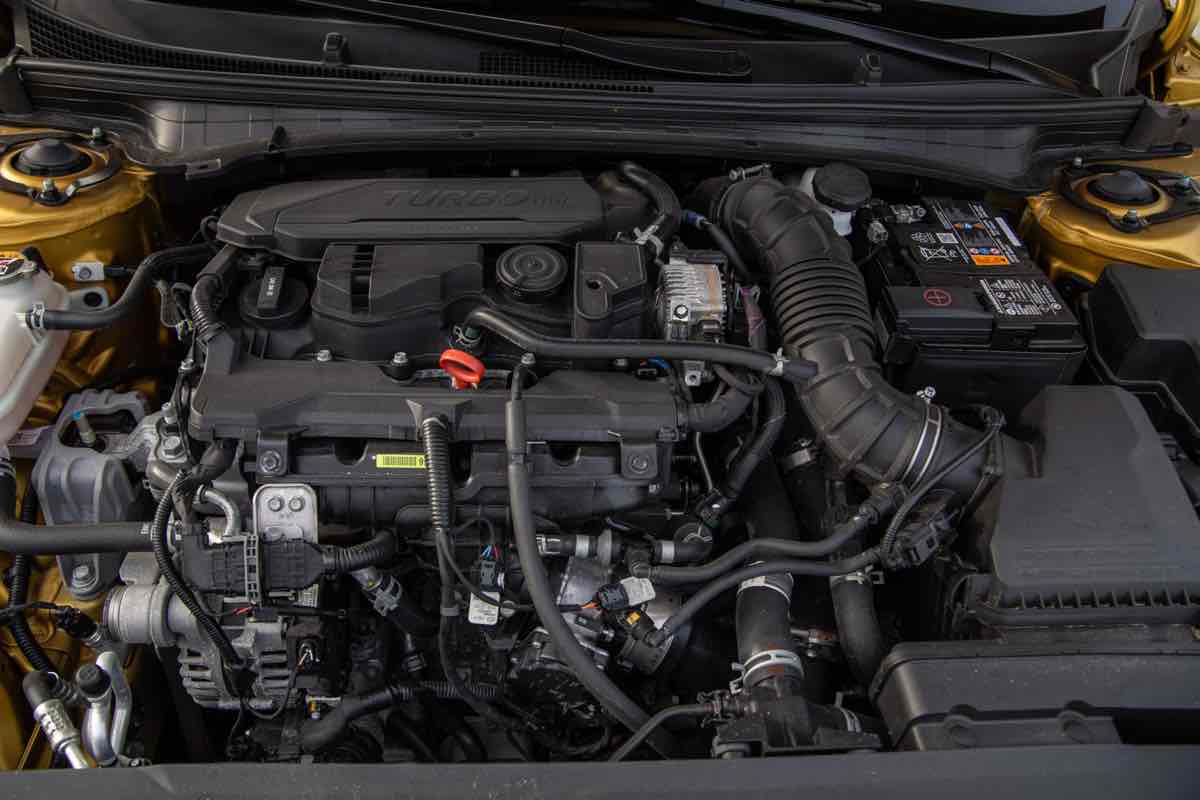
Peak torque arrives relatively early and remains available across a broad portion of the engine’s operating range. This is precisely the kind of characteristic that makes a compact turbocharged engine feel responsive without requiring constant high-rpm operation. In practical terms, the GT-Line Turbo has the specifications needed for confident highway merging, passing slower vehicles, and maintaining speed with relatively little effort. It is not intended to compete with dedicated performance hatchbacks such as the Volkswagen Golf GTI. Instead, the K4 Turbo occupies a useful middle ground between an economical compact commuter and a genuinely sporty daily driver.
And for many buyers, that is probably the more appealing proposition.
Eight-Speed Automatic Transmission: A Welcome Alternative to a CVT
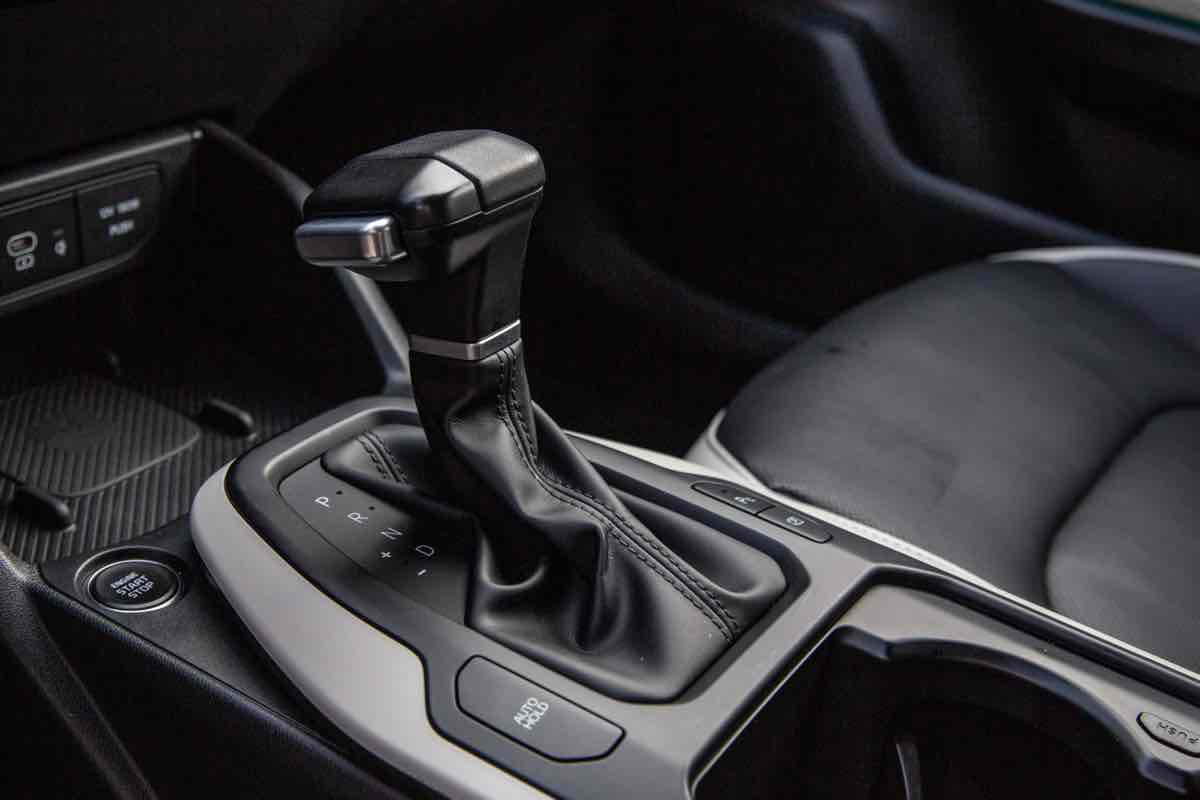
One of the most attractive aspects of the K4 GT-Line Turbo’s mechanical package is its transmission. While the naturally aspirated K4 uses an Intelligent Variable Transmission, the turbocharged model receives a conventional eight-speed automatic.This is a meaningful distinction. Traditional automatic transmissions generally provide a more familiar relationship between engine speed, acceleration, and gear selection than continuously variable transmissions. The eight-speed unit also gives the turbocharged engine a broad selection of ratios, allowing it to operate efficiently during relaxed cruising while retaining lower gears for stronger acceleration.
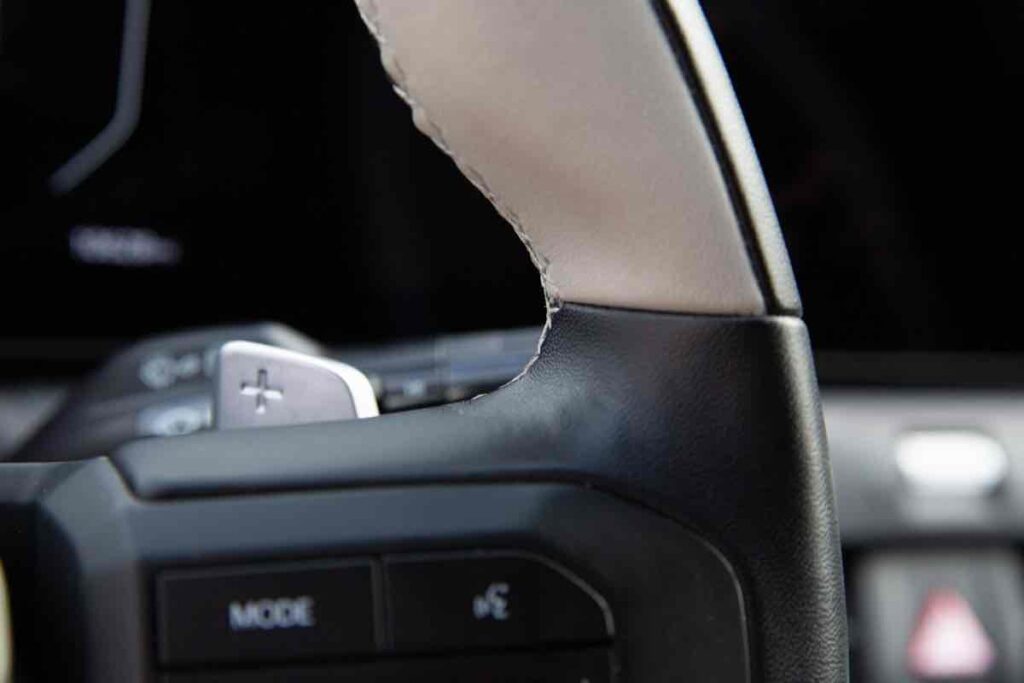
Steering-wheel-mounted paddle shifters provide additional control when desired. The transmission’s character is best understood as comfort-oriented rather than aggressively performance-focused. That is not necessarily a disadvantage.
For a car intended to handle daily commuting, long interstate journeys, and occasional enthusiastic driving, smooth operation and predictable responses are arguably more valuable than extremely rapid, hard-edged shifts. The K4 GT-Line Turbo seems particularly well positioned for drivers who appreciate traditional automatic-transmission behavior without wanting the compromises associated with a dedicated sports car.
Driving Dynamics: Sporty Without Sacrificing Comfort
A sporty appearance alone does not make a car enjoyable to drive. Fortunately, the K4 GT-Line Turbo has more than cosmetic upgrades. Its chassis combines MacPherson strut front suspension with a multi-link independent rear suspension.
The latter is particularly important. Compared with a simpler torsion-beam arrangement, a properly tuned multi-link system provides engineers with greater flexibility to balance ride comfort, wheel control, and handling characteristics. The GT-Line’s sport-tuned suspension is intended to give the K4 a more controlled driving character.
On Florida’s predominantly flat roads, the greatest benefits of this setup should be noticeable during highway lane changes, sweeping curves, and transitions between different pavement surfaces. The relatively low center of gravity also provides an inherent advantage over taller compact crossovers. However, buyers should maintain realistic expectations.
The K4 GT-Line Turbo is a front-wheel-drive compact hatchback, not a purpose-built performance machine. Its suspension and steering are designed to provide confidence and stability rather than extreme cornering capability.
The 18-inch wheels and sport-oriented suspension may also make sharper road imperfections more noticeable than in softer-riding compact vehicles. For everyday use, though, the combination of independent rear suspension, a relatively long wheelbase, and a conventional automatic transmission is promising. The K4’s greatest appeal is likely to be its ability to make ordinary driving feel more engaging without demanding much compromise from its occupants.
Highway Driving: A Natural Environment for the K4 Turbo
Florida’s interstate network provides an interesting environment for evaluating compact vehicles. Long distances, sustained highway speeds, heavy traffic, and frequent lane changes place considerable emphasis on stability, refinement, and predictable power delivery. The K4 GT-Line Turbo’s specifications suggest that it should be particularly well suited to these conditions.
The engine’s broad torque band means that the car does not need to operate near its maximum horsepower output to deliver useful acceleration. The eight-speed automatic can also maintain relatively relaxed engine speeds during steady cruising. Meanwhile, the available highway assistance technologies add another layer of convenience during longer journeys.
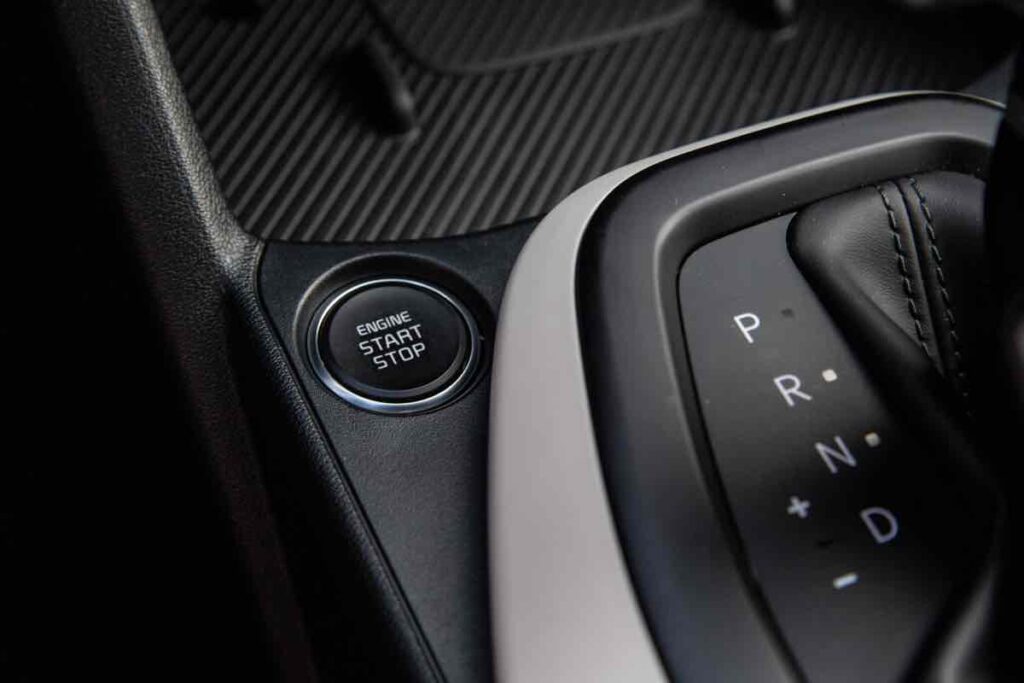
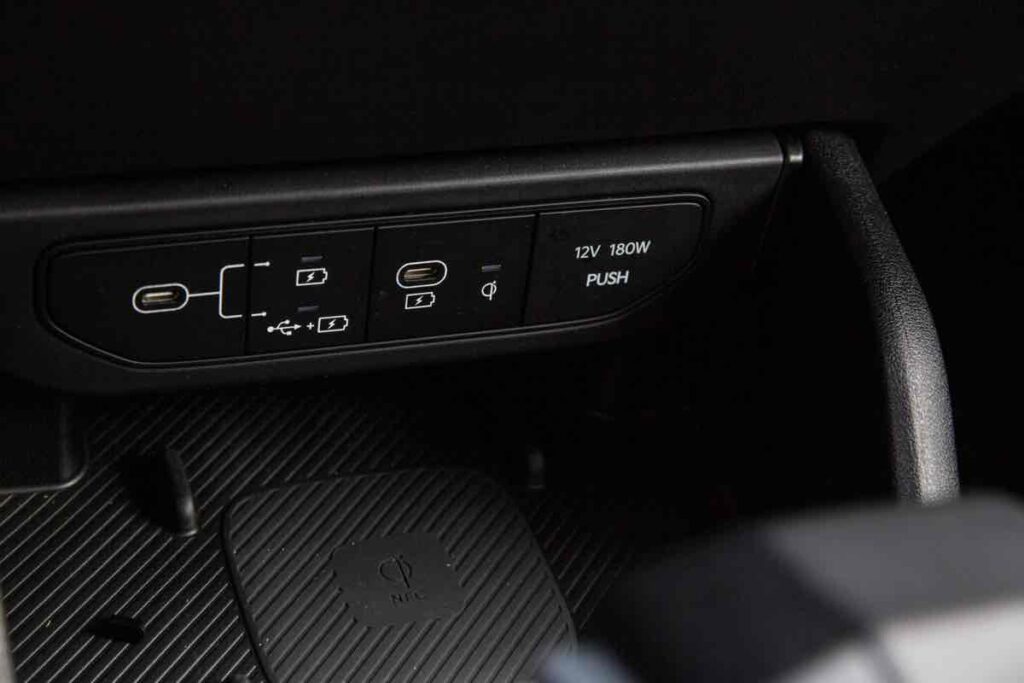
The K4’s 107.1-inch wheelbase contributes to its relatively spacious cabin and provides a useful foundation for stable highway behavior. There is, however, an important distinction between comfort and outright refinement.
Road and tire noise can become noticeable in compact cars equipped with larger wheels, particularly on coarse pavement. The K4’s 18-inch wheel-and-tire package therefore represents a potential trade-off between appearance, handling response, and acoustic comfort. For buyers who regularly travel between cities such as Fort Myers, Naples, and Miami, this balance deserves particular attention during a test drive.
Interior Design: A Surprisingly Upscale Atmosphere
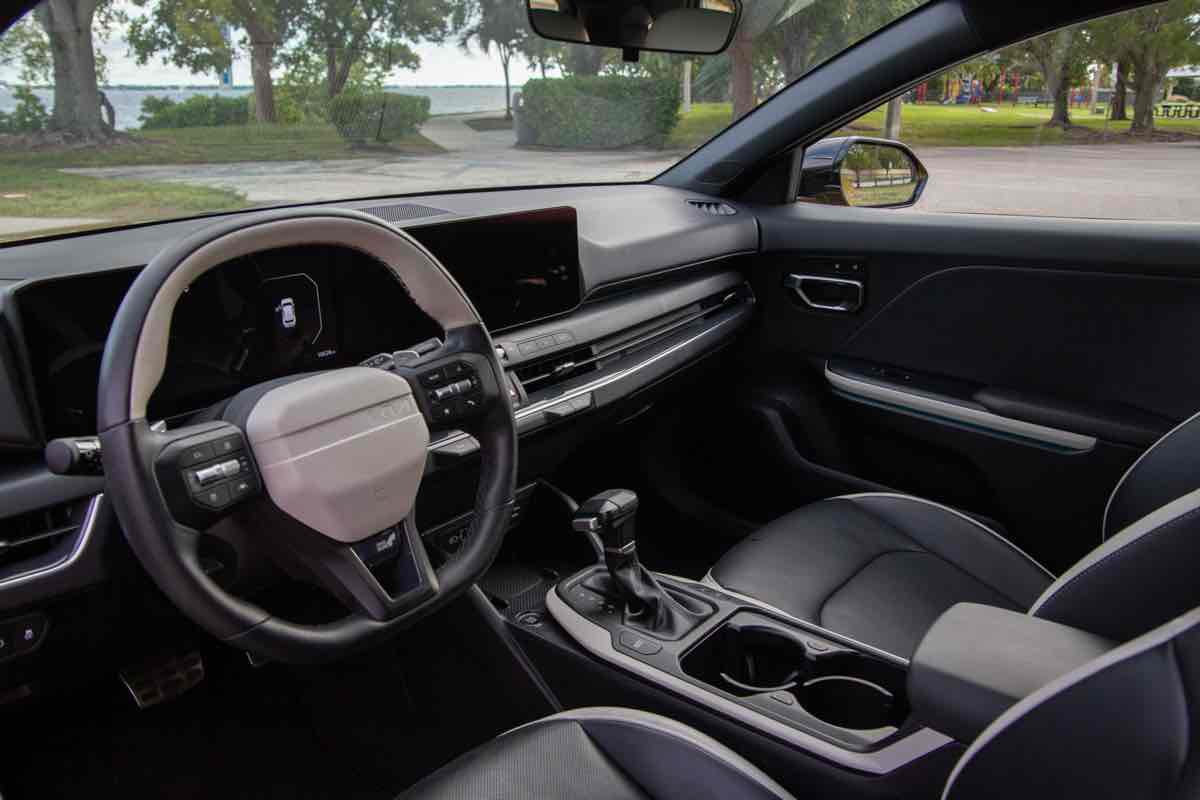
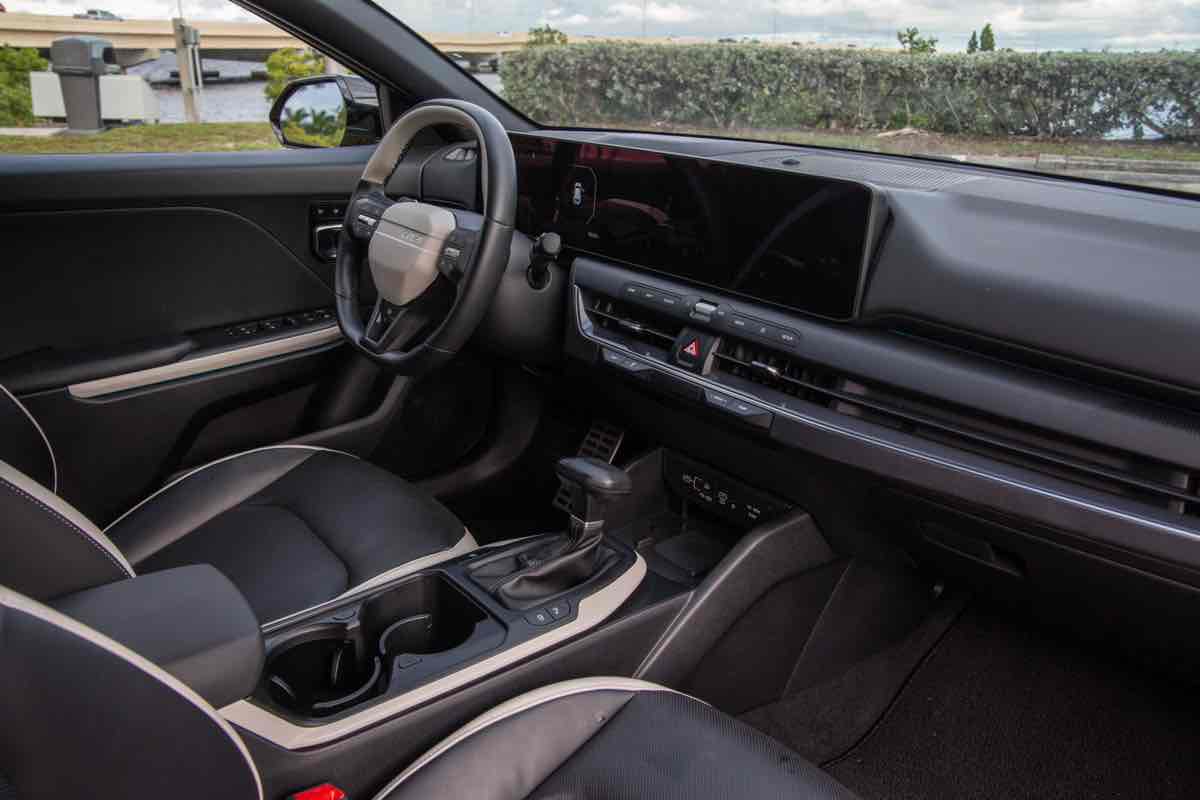
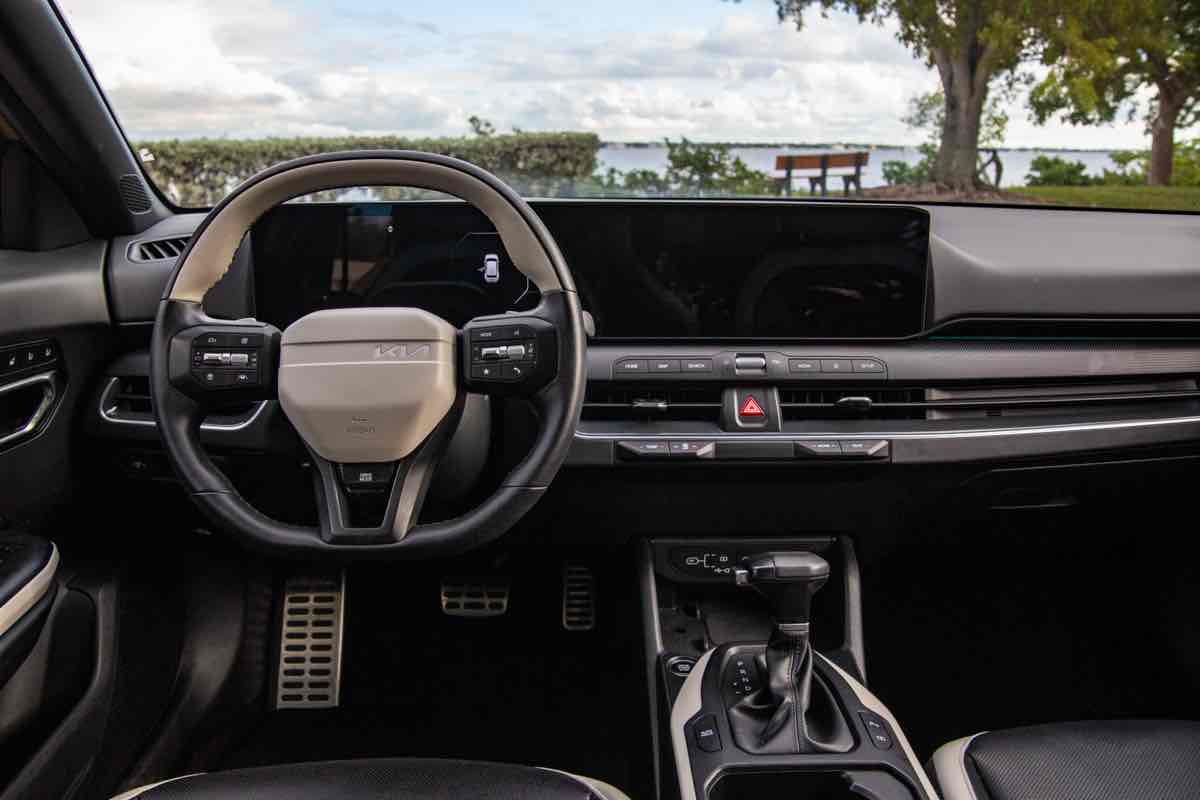
Step inside the K4 Hatchback GT-Line Turbo, and one of its most impressive qualities becomes immediately apparent: Kia has invested heavily in the cabin’s visual presentation. The dashboard is dominated by an expansive digital display arrangement that creates a much more contemporary atmosphere than traditional compact-car interiors. The available digital cockpit combines approximately 30 inches of total display area, including a 12.3-inch digital instrument cluster, a 5-inch climate-control display, and a 12.3-inch infotainment touchscreen.
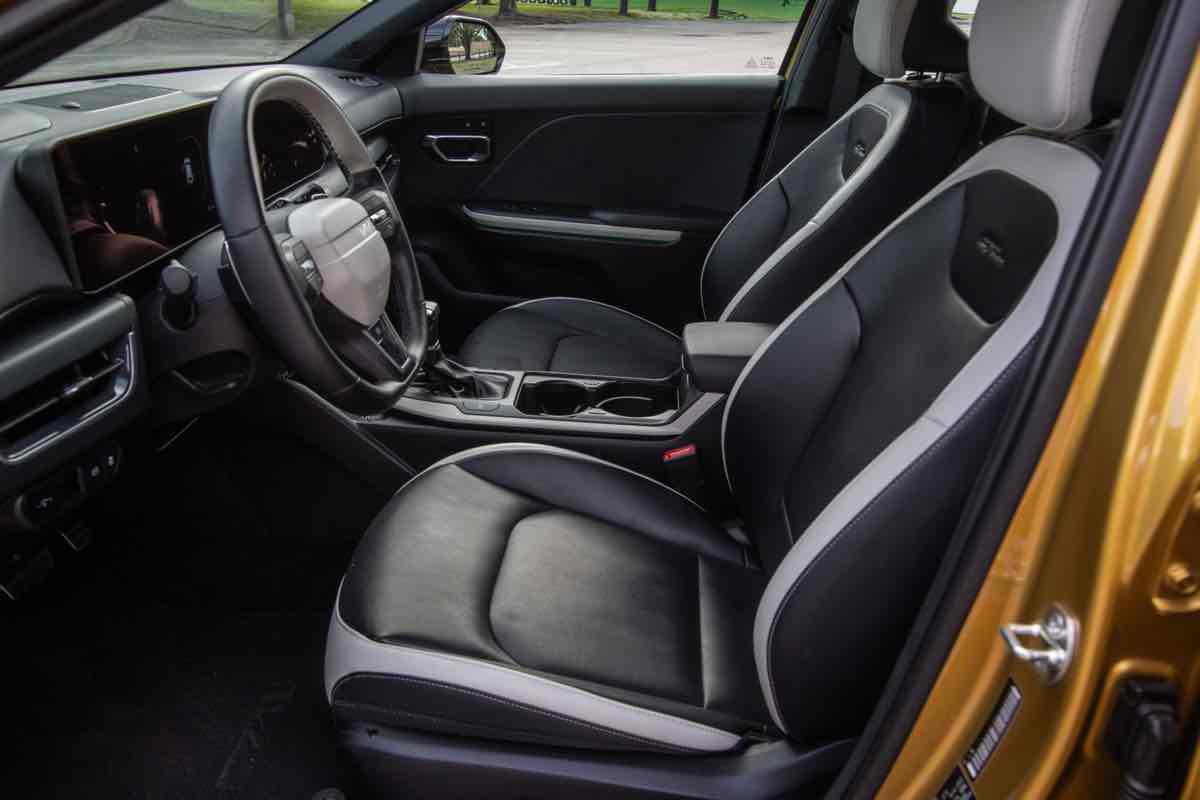
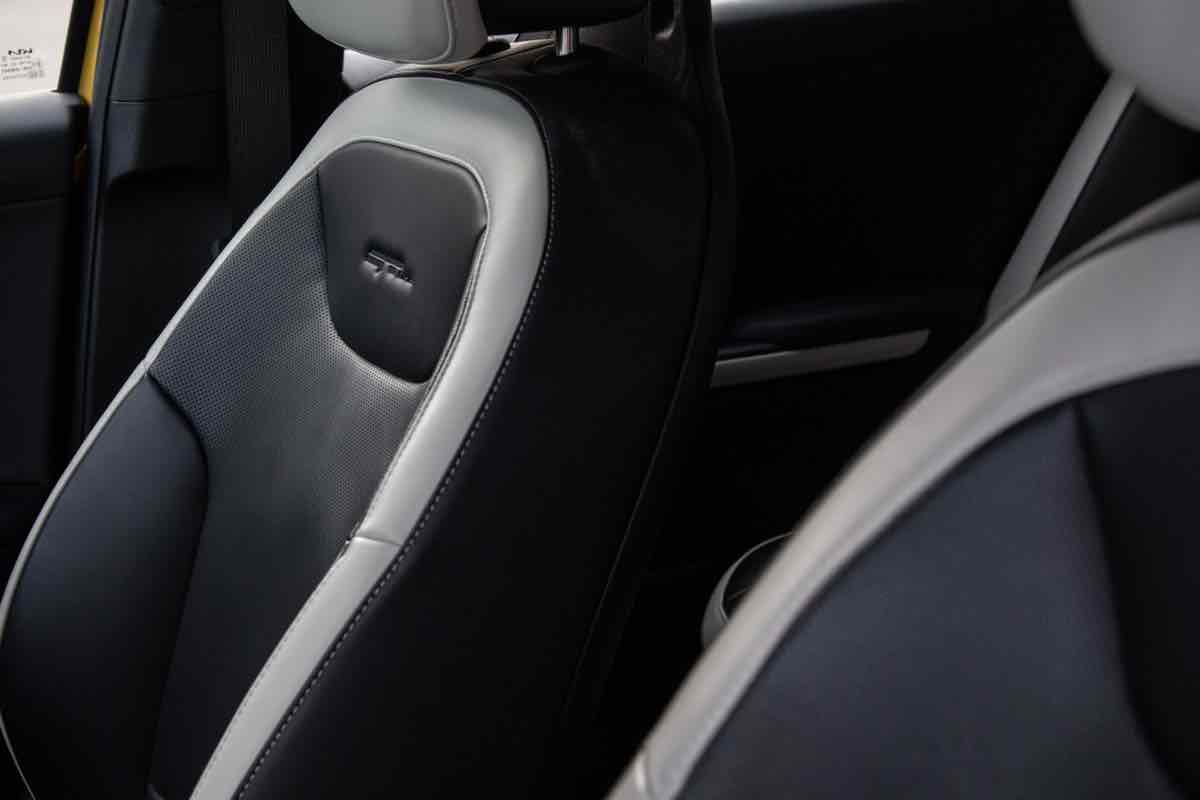
The layout is visually clean and technologically sophisticated. The horizontal dashboard architecture also contributes to the impression of width. The GT-Line’s sport steering wheel, distinctive upholstery, and dark interior accents provide a subtle performance-oriented atmosphere without becoming excessive.
Naturally, this is still a compact Kia rather than a luxury vehicle. Some harder plastics remain, particularly in less frequently touched areas. Nevertheless, the overall design demonstrates how much mainstream automotive interiors have evolved.
The K4 does not need genuine leather covering every surface to feel modern and well equipped. Its combination of thoughtful styling, digital technology, and practical ergonomics creates a convincing premium impression.
Seats, Driving Position, and Everyday Comfort
The GT-Line Turbo’s seating arrangement is designed to combine everyday comfort with a slightly sportier appearance. The front seats feature SynTex upholstery, while the driver’s seat offers power adjustment. Heated front seats are another welcome feature, even if they are less essential in South Florida than in northern states.
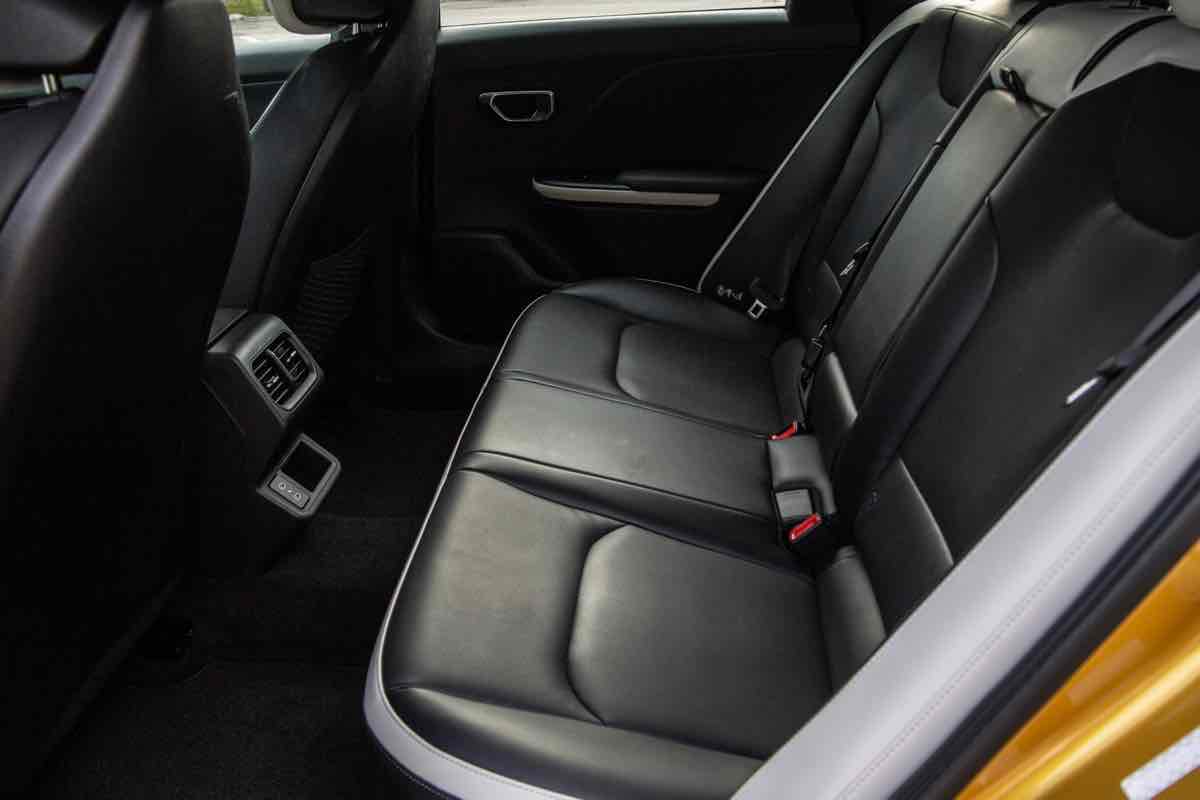
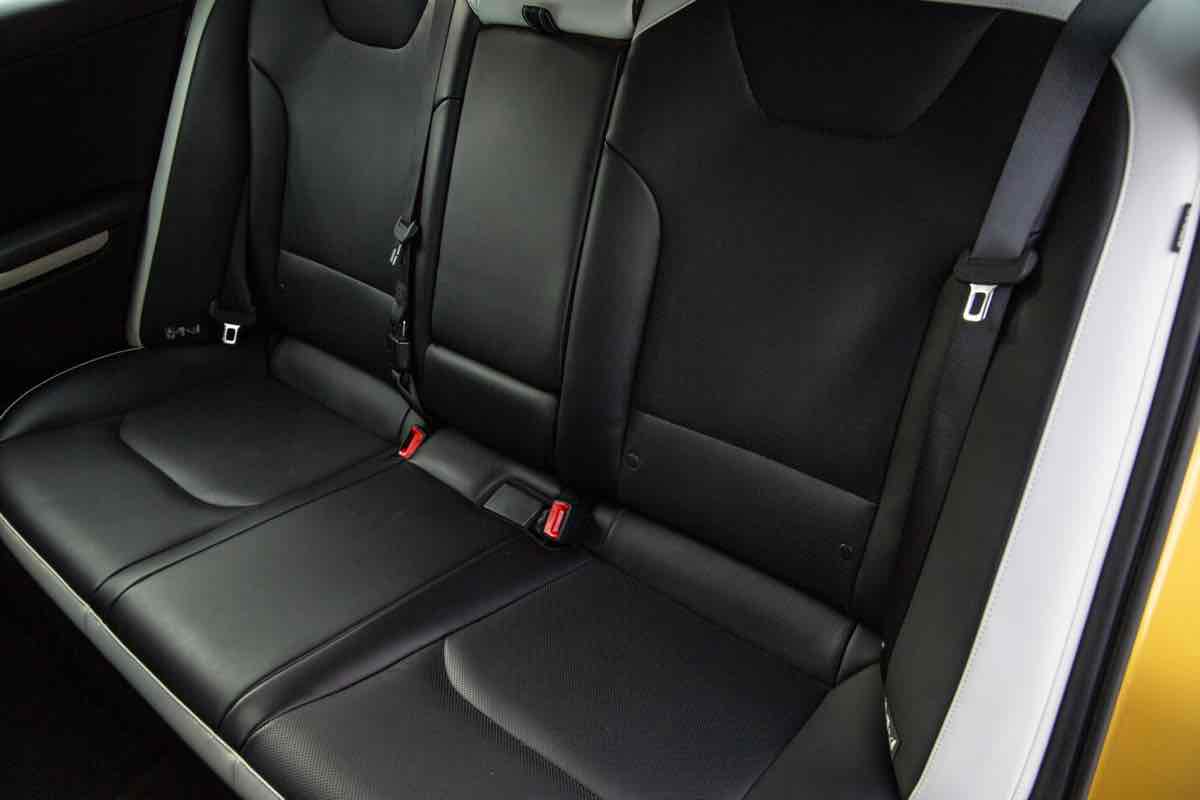
The seating position benefits from the K4’s conventional passenger-car architecture. Compared with a compact crossover, occupants sit closer to the road, creating a more connected driving environment. At the same time, the relatively generous cabin dimensions prevent the interior from feeling unnecessarily confined. Rear-seat accommodation is another important advantage.
The K4’s long wheelbase allows Kia to provide substantial legroom for a compact vehicle, making the rear seats more useful than the exterior proportions might initially suggest. For couples, small families, or drivers who frequently carry additional passengers, this matters considerably more than a few tenths of a second in acceleration. The hatchback configuration also provides an advantage when transporting luggage or bulky objects.
Cargo Space: The Hatchback’s Practical Advantage
One of the main reasons to choose the K4 Hatchback over the sedan is versatility. The sedan’s conventional trunk may be sufficient for everyday shopping and luggage, but the hatchback’s large rear opening makes loading taller and more awkwardly shaped objects substantially easier.
The K4 Hatchback provides approximately 22.2 cubic feet of cargo space behind the rear seats, depending on the measurement specification. Folding the rear seats expands the usable cargo area significantly. This makes the hatchback particularly attractive for road trips, photography equipment, larger shopping trips, and everyday transportation needs.
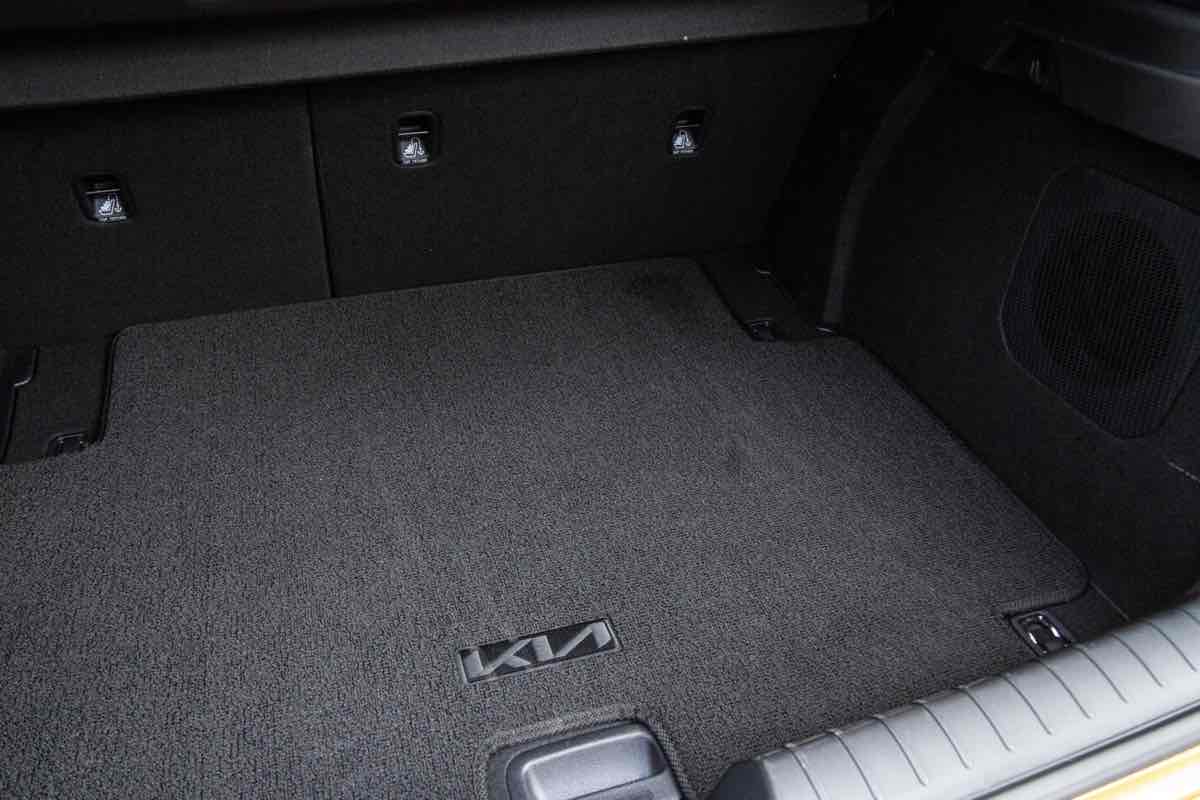
There is also something appealing about a vehicle that offers this level of flexibility without requiring buyers to move into a taller SUV. The K4 maintains the lower seating position and driving characteristics of a conventional passenger car while delivering much of the versatility associated with compact crossovers. For drivers who rarely need additional ground clearance or all-wheel drive, that combination makes considerable sense.
Infotainment and Connectivity: Technology That Feels Current
Technology is another area where the K4 GT-Line Turbo makes a strong impression. The 12.3-inch infotainment display provides access to navigation, vehicle settings, media, and connectivity features. Wireless Apple CarPlay and Android Auto are especially important for everyday usability. Being able to connect a smartphone without repeatedly plugging in a cable is a convenience that quickly becomes difficult to give up.
The digital instrument cluster also allows essential driving information to be presented directly in front of the driver. Kia’s available connected services and AI-based assistant add further functionality, although some services require activation or an eligible subscription. The interface’s extensive digital integration has one potential disadvantage.
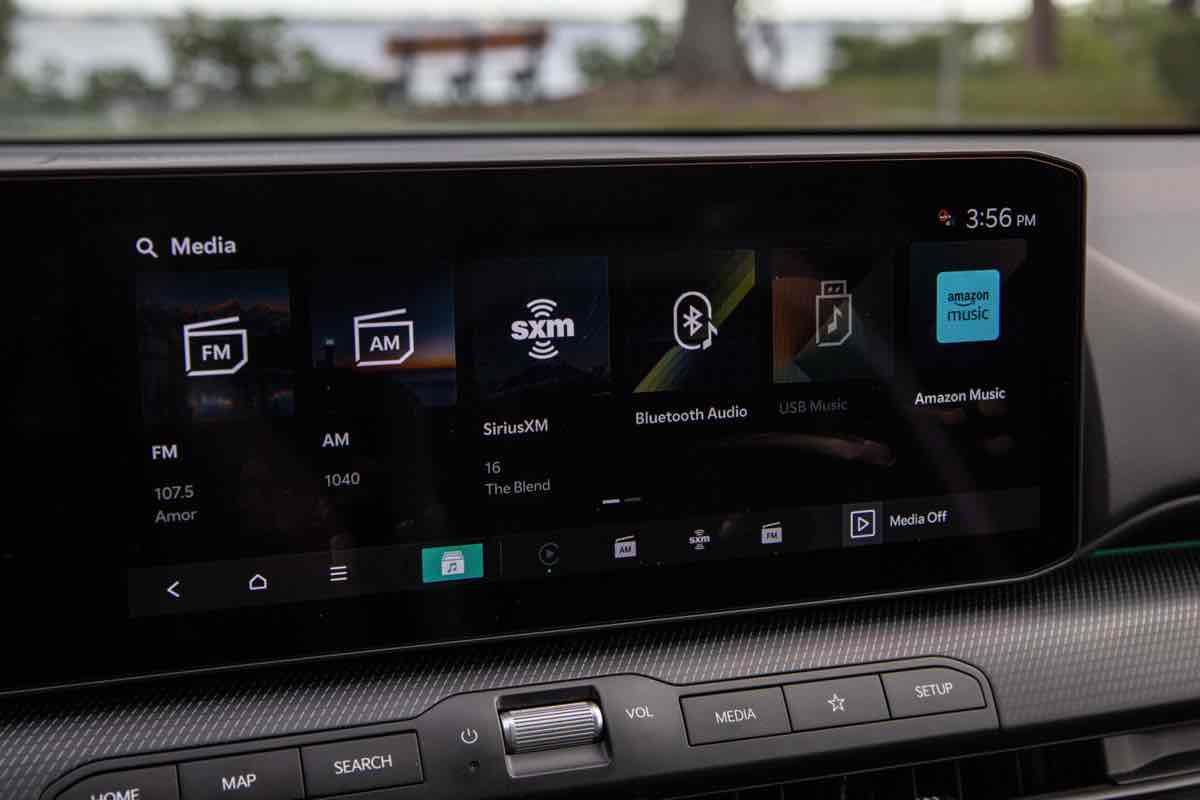
As with many modern vehicles, certain functions require interaction with touchscreen menus rather than traditional physical switches. This can take some familiarization. Fortunately, the K4 retains a relatively organized dashboard layout, helping prevent the interior from feeling unnecessarily complicated.
Harman Kardon Audio: A Premium Touch
The GT-Line Turbo includes a Harman Kardon premium audio system, an attractive feature in a vehicle at this price point. A good audio system can make a noticeable difference during long journeys, particularly when a vehicle serves as both a daily commuter and a road-trip companion. The system is designed to deliver a more immersive listening experience than a conventional basic audio setup.
Its presence also reinforces the K4’s positioning. Kia is not merely offering a more powerful engine and sportier wheels. The GT-Line Turbo is intended to feel like a more complete, better-equipped vehicle. The available power sunroof contributes to the same impression. Together, these features make the K4 feel closer to an entry-level premium compact than a traditional economy hatchback.
Driver Assistance and Safety: A Strong Technology Package
The K4 Hatchback offers an extensive selection of driver-assistance technologies. Depending on equipment and optional packages, these include Forward Collision-Avoidance Assist, Blind-Spot Collision-Avoidance Assist, Lane Keeping Assist, Lane Following Assist, Smart Cruise Control, and Highway Driving Assist. The optional technology package can add more advanced systems, including a Surround View Monitor, Blind-Spot View Monitor, and Highway Driving Assist 2.
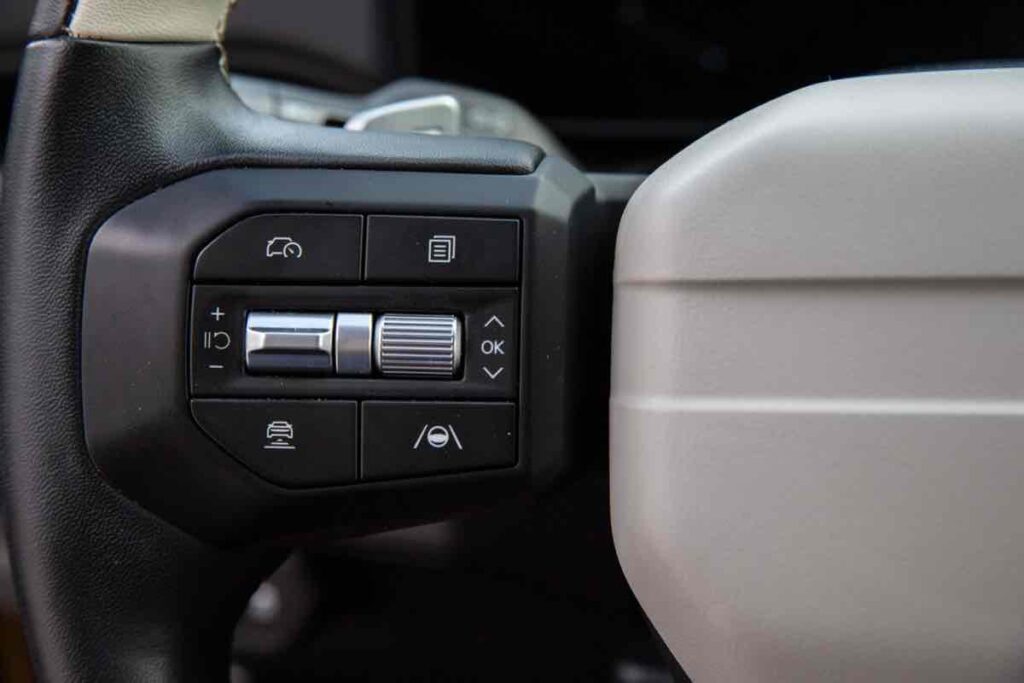
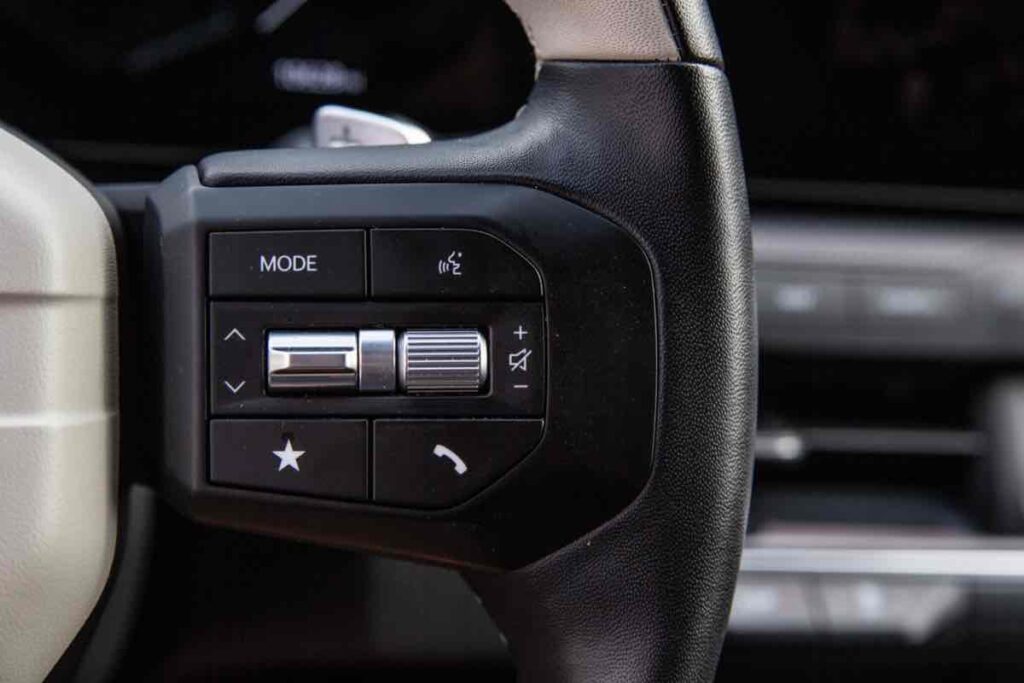
These features are particularly relevant in busy metropolitan traffic. Blind-spot monitoring can provide useful additional awareness during lane changes, while adaptive cruise control can reduce the workload associated with frequent changes in traffic speed. Highway Driving Assist can also help maintain lane position and following distance under appropriate operating conditions. However, these remain driver-assistance systems rather than autonomous driving capabilities.
The driver must continue monitoring the road and remain responsible for operating the vehicle. The availability of this technology in a relatively affordable compact hatchback is nevertheless impressive.
Fuel Economy: Reasonable Efficiency With a Performance Advantage
Fuel economy is an important consideration, particularly for drivers covering substantial annual mileage. The K4 GT-Line Turbo carries EPA estimates of:
- City: 26 MPG
- Highway: 33 MPG
- Combined: 28 MPG
Converted into European-style consumption figures, these values correspond to approximately:
- City: 9.0 L/100 km
- Highway: 7.1 L/100 km
- Combined: 8.4 L/100 km
These figures are reasonable for a 190-horsepower turbocharged compact hatchback, although the naturally aspirated K4 is more economical. The difference reflects the GT-Line Turbo’s stronger performance and more responsive powertrain. For buyers who prioritize maximum fuel savings, the regular 2.0-liter engine may be the more rational choice. For those who appreciate stronger acceleration and greater flexibility during highway driving, the turbocharged engine makes a convincing case for itself.
The K4 also uses regular unleaded gasoline, avoiding the additional expense associated with premium fuel. Its approximately 12.4-gallon fuel tank provides an estimated theoretical highway range of around 409 miles based on EPA figures. That is a useful distance for a compact vehicle, although real-world range depends on speed, traffic, air-conditioning use, weather, and driving style. The K4 GT-Line Turbo is not a hybrid, and it should not be judged against dedicated fuel-economy specialists. Instead, its appeal lies in providing respectable efficiency without sacrificing the additional performance of its turbocharged engine.
The Florida Factor: How Well Does the K4 Fit Everyday Life?
South Florida presents a distinctive set of requirements for any vehicle. The climate is hot and humid, traffic can be demanding, and driving distances are often substantial. A successful everyday car therefore needs to offer more than attractive styling. Air-conditioning performance, comfortable seating, highway refinement, smartphone connectivity, and predictable acceleration all become important. The K4 GT-Line Turbo addresses many of these requirements through its equipment and mechanical configuration.
Its compact dimensions should make it easier to maneuver in crowded parking areas than larger SUVs. The hatchback cargo area adds practicality without increasing the vehicle’s footprint excessively. The turbocharged engine provides additional flexibility when entering fast-moving highways.
Meanwhile, the available ventilated front seats are particularly attractive for Florida buyers, although they require the appropriate optional equipment package. The absence of all-wheel drive is unlikely to concern many South Florida drivers, but it may matter to buyers living in regions with frequent snow or challenging winter conditions. Ultimately, the K4’s configuration appears especially well suited to warm-weather urban and suburban driving. It offers many of the conveniences associated with larger vehicles while retaining the efficiency and maneuverability of a compact car.
What Could Be Better?
No car is perfect, and the K4 GT-Line Turbo has several characteristics worth considering before purchase. The first is performance positioning. Despite its sporty appearance and 190-horsepower turbocharged engine, this is not a dedicated hot hatch. Drivers expecting the sharpness and outright performance of a Golf GTI may find the Kia’s character more relaxed.
The second is fuel economy. Although 28 MPG combined is respectable, buyers seeking the lowest possible running costs will find more economical alternatives, including hybrid competitors. Third, the 18-inch wheels and sport-oriented suspension may not deliver the same level of impact isolation as smaller-wheel configurations. Fourth, some desirable comfort and driver-assistance features require an optional package. Finally, the K4 is available exclusively with front-wheel drive. Buyers wanting all-wheel-drive traction will need to consider another model. None of these points fundamentally undermines the K4’s appeal. They simply clarify what kind of vehicle Kia has created. The GT-Line Turbo prioritizes a balance of style, performance, comfort, and technology rather than maximizing any single characteristic.
Pricing and Value: A Lot of Car for the Money
The 2027 Kia K4 Hatchback GT-Line Turbo carries a starting U.S. MSRP of approximately $28,990, excluding destination charges, taxes, registration, and optional equipment. That places it in an interesting part of the compact-car market. For the money, buyers receive a turbocharged engine, eight-speed automatic transmission, sport-tuned suspension, digital displays, premium audio, and distinctive styling.
Adding optional equipment can push the final price beyond $30,000, making the value proposition somewhat more complicated. Nevertheless, the K4 remains competitive when its equipment and interior presentation are taken into account. Kia’s warranty coverage is another advantage. Eligible new vehicles include a 10-year/100,000-mile limited powertrain warranty, subject to the manufacturer’s terms and conditions. For buyers planning to keep their vehicle for several years, that coverage can be a meaningful consideration.
Final Verdict: One of the Most Interesting Compact Hatchbacks in Its Class
The Kia K4 Hatchback GT-Line Turbo succeeds because it understands what many modern compact-car buyers actually want. Not everyone needs extreme performance. Not everyone wants a crossover. And not everyone is prepared to sacrifice comfort, technology, and practicality simply to enjoy a sportier driving experience.
The K4 offers an appealing alternative. Its 190-horsepower turbocharged engine provides a meaningful improvement over the naturally aspirated version, while the eight-speed automatic transmission adds to the appeal of the powertrain. The independent rear suspension, distinctive styling, generous interior space, and extensive technology package complete an attractive overall proposition. Perhaps most importantly, the hatchback body makes the K4 genuinely versatile. It is a car that can serve as a comfortable commuter, a practical family vehicle, or a capable long-distance traveling companion without feeling unnecessarily large. There are compromises, particularly in fuel economy and outright performance, but these are reasonable considering the vehicle’s intended role.
The Kia K4 Hatchback GT-Line Turbo is not trying to reinvent the performance hatchback. Instead, it offers something arguably more relevant to everyday drivers: a stylish, well-equipped, practical compact car with enough power and personality to make the daily commute more enjoyable.
And that is a formula that deserves serious consideration.
2027 Kia K4 Hatchback GT-Line Turbo – Technical Specifications
Engine & Drivetrain
| Specification | Details |
|---|---|
| Engine | 1.6L Turbo GDI inline-four |
| Displacement | 1,598 cc |
| Aspiration | Turbocharged |
| Fuel injection | Gasoline Direct Injection |
| Maximum power | 190 hp @ 6,000 rpm |
| Maximum torque | 195 lb-ft (264 Nm) @ 1,700–4,500 rpm |
| Transmission | 8-speed automatic |
| Drivetrain | Front-wheel drive |
| Front suspension | MacPherson strut |
| Rear suspension | Independent multi-link |
| Steering | Electric power-assisted |
| Fuel type | Regular unleaded gasoline |
Hybrid / Electric System
| Specification | Details |
|---|---|
| Powertrain type | Gasoline only |
| Hybrid assistance | No |
| Plug-in charging | No |
| Electric-only driving | No |
| High-voltage traction battery | Not applicable |
Performance
| Specification | Details |
|---|---|
| Maximum speed | Not officially specified |
| 0–60 mph | No verified official figure |
| 0–100 km/h | No verified official figure |
| Power-to-weight character | Sport-oriented compact |
| Drive modes | Normal / Sport |
Fuel Economy & Emissions
| Specification | Details |
|---|---|
| EPA city | 26 MPG / 9.0 L/100 km |
| EPA highway | 33 MPG / 7.1 L/100 km |
| EPA combined | 28 MPG / 8.4 L/100 km |
| Fuel tank | 12.4 US gallons / 47 liters |
| Theoretical highway range | Approximately 409 miles / 658 km |
| CO₂ emissions | Varies by certification and operating conditions |
Dimensions & Practicality
| Specification | Details |
|---|---|
| Body style | Five-door hatchback |
| Seating capacity | 5 |
| Wheelbase | Approximately 107.1 in / 2,720 mm |
| Cargo volume, rear seats upright | Approximately 22.2 cu ft / 628 L |
| Cargo volume, rear seats folded | Approximately 59.3 cu ft / 1,680 L |
| Wheels | 18-inch alloy |
| Drive configuration | Front-engine, front-wheel drive |
Weight & Towing
| Specification | Details |
|---|---|
| Curb weight | Depends on model year and equipment |
| Gross vehicle weight | Configuration-dependent |
| Towing capacity | No published U.S. towing rating verified |
| Trailer testing | Not performed |