































Gasoline prices across the United States have fallen significantly in November 2026, offering American drivers some welcome relief ahead of the busy Thanksgiving travel season. After exceeding $4 per gallon earlier this month, the national average for regular gasoline has dropped to approximately $3.66 per gallon as of November 21. Lower crude oil prices, seasonal changes in demand, and improving fuel inventories have contributed to the decline. However, substantial differences remain between states, while diesel prices continue to put pressure on transportation costs and the broader economy.
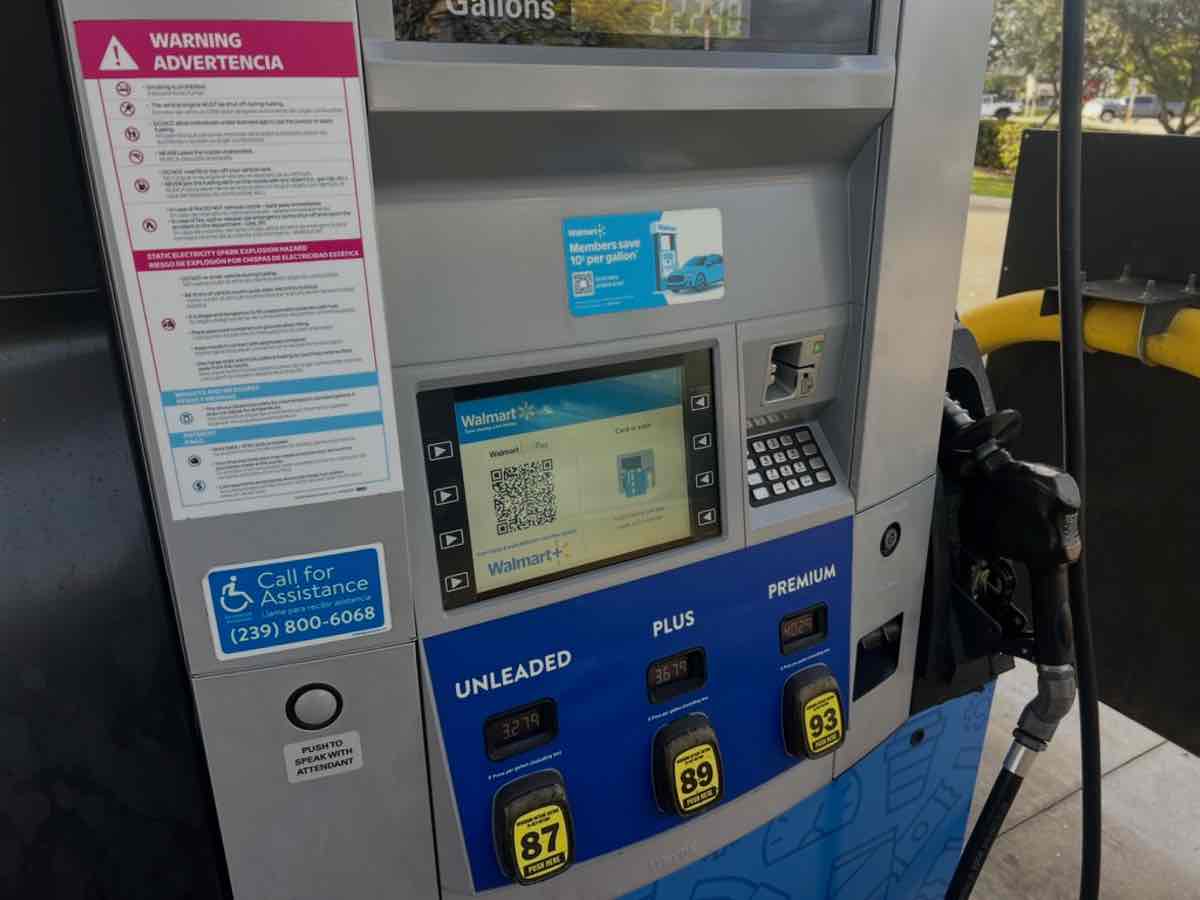
Current U.S. Gas Prices: How Much Are Americans Paying?
According to the American Automobile Association (AAA), the national average price for regular gasoline reached approximately $3.66 per gallon on November 21, 2026.
The latest figures represent a substantial improvement compared with October and early November, when drivers were paying more than $4 per gallon nationwide.
By November 12, the national average had already declined to approximately $3.90 per gallon. Prices continued falling throughout the following week, bringing regular gasoline closer to the $3.50 mark.
The latest available national fuel price averages are approximately:
| Fuel Type | Price per Gallon | Price per Liter |
|---|---|---|
| Regular (87 AKI) | $3.66 | $0.97 |
| Midgrade (89 AKI) | $4.44 | $1.17 |
| Premium (91–93 AKI) | $4.83 | $1.28 |
| Diesel | $5.87 | $1.55 |
Regular gasoline and diesel figures reflect November 21 averages, while midgrade and premium prices are based on the November 16 weekly survey.
For international readers, one U.S. gallon equals approximately 3.785 liters.
Although American fuel prices remain relatively low compared with many European markets, the latest decline is particularly important for drivers who depend heavily on their vehicles for commuting, family transportation, and long-distance travel.
U.S. Gas Price Trends: A Significant Decline in Just Five Weeks
The downward movement in gasoline prices has been particularly noticeable since the second half of October.
National regular gasoline averages have followed this approximate trajectory:
| Date | Average Price per Gallon |
|---|---|
| October 19, 2026 | $4.28 |
| October 26, 2026 | $4.27 |
| November 2, 2026 | $4.15 |
| November 9, 2026 | $4.00 |
| November 16, 2026 | $3.81 |
| November 21, 2026 | $3.66 |
Over approximately one month, the national average has declined by more than 60 cents per gallon, representing a reduction of nearly 14%.
For drivers filling larger fuel tanks, these changes can translate into meaningful savings.
A vehicle with a 20-gallon fuel tank, for example, now costs approximately $12 less to fill than it did when gasoline averaged $4.28 per gallon.
Nevertheless, current gasoline prices remain higher than they were during the same period in 2025.
In November of last year, regular gasoline averaged approximately $3.09 per gallon nationwide.
Therefore, while recent developments are encouraging, American motorists are still paying considerably more than they were a year ago.
Gas Prices by State: Why Location Makes Such a Big Difference
One of the defining characteristics of the American fuel market is the enormous variation in gasoline prices between individual states.
State fuel taxes, environmental regulations, refinery access, transportation expenses, and regional supply conditions all influence what consumers ultimately pay at the pump.
In mid-November, some of the lowest gasoline prices were recorded across the southern and southeastern United States.
North Carolina reported an average regular gasoline price of approximately $3.05 per gallon on November 19.
Other relatively affordable states included Texas at approximately $3.20, Oklahoma at $3.24, and Georgia and Ohio at around $3.25 per gallon.
Meanwhile, drivers in California and Hawaii continued facing substantially higher costs.
Hawaii’s average gasoline price stood near $5.60 per gallon, while California averaged approximately $5.51.
Nevada, Washington, and Oregon also remained among the more expensive states.
These differences are particularly noticeable when refueling larger vehicles.
Filling a 20-gallon tank at $3.20 per gallon costs $64. At $5.60 per gallon, the same amount of gasoline costs $112.
That represents a $48 difference for an identical quantity of fuel.
For American households operating multiple vehicles, regional gasoline prices can have a significant impact on monthly transportation expenses.
Florida Gas Prices: Lower Costs for Drivers and Visitors
Florida is one of the country’s most important automotive and tourism markets, with millions of residents and visitors relying on personal vehicles, rental cars, SUVs, and pickup trucks.
The Sunshine State has also experienced a noticeable reduction in gasoline prices.
According to weekly fuel price data, Florida’s regular gasoline average declined from approximately $3.79 per gallon on November 2 to $3.53 by November 16.
In the Miami metropolitan area, the average stood at approximately $3.63 per gallon during the same period.
Prices in Southwest Florida, including Cape Coral and Fort Myers, can vary considerably depending on the individual gas station and its location.
Stations near major highways, airports, tourist destinations, and high-traffic areas may charge more than those located near residential neighborhoods or large retail centers.
For motorists planning road trips between Miami, Fort Myers, Tampa, Orlando, and other Florida destinations, the recent decline could make holiday travel noticeably more affordable.
However, drivers should remember that posted fuel prices can change daily, and even neighboring stations may offer significantly different rates.
Why Are Gas Prices Falling in the United States?
Several economic and seasonal factors are contributing to the current downward trend.
Lower Crude Oil Prices
Crude oil remains one of the largest components of the retail gasoline price.
During November, West Texas Intermediate (WTI), a major U.S. crude oil benchmark, moved toward the $80-per-barrel range.
Lower crude oil costs generally reduce the price refiners pay for their primary raw material, although the effect on retail gasoline prices is not always immediate.
Wholesale price changes typically reach consumers gradually, depending on inventories, regional competition, and distribution costs.
Seasonal Changes in Gasoline Demand
American gasoline consumption follows a recognizable seasonal pattern.
Demand often increases during the summer driving season, when vacation travel and recreational driving reach higher levels.
As fall progresses, gasoline consumption generally moderates.
Many regions also transition to winter-grade gasoline, which can be less expensive to manufacture than summer blends designed to meet stricter volatility requirements.
These seasonal adjustments can help reduce retail prices.
Improving Fuel Inventories
Gasoline inventories have also increased.
During the middle of November, U.S. gasoline stocks reportedly rose from approximately 210.8 million barrels to 215.9 million barrels.
Meanwhile, daily gasoline demand increased slightly from 8.76 million barrels to 8.79 million barrels.
This combination suggests that improving supply conditions, rather than a collapse in consumer demand, have played an important role in the recent price decline.
Diesel Prices Remain a Major Concern
While gasoline prices have fallen substantially, diesel fuel remains considerably more expensive.
As of November 21, the national diesel average was approximately $5.87 per gallon, equivalent to roughly $1.55 per liter.
This price difference matters well beyond drivers of diesel-powered passenger vehicles and pickup trucks.
Diesel remains essential to the American transportation and logistics industries.
Heavy-duty trucks, commercial fleets, agricultural equipment, and numerous industrial operations depend on diesel fuel.
Higher diesel prices can increase freight expenses, potentially influencing the retail prices of groceries, household goods, construction materials, and other products.
Unlike gasoline, diesel pricing is also heavily influenced by the market for distillate fuels, including heating oil.
Refinery capacity, winter heating demand, international trade, and supply disruptions can all contribute to elevated diesel prices.
Consequently, a decline in gasoline prices does not necessarily mean that diesel will follow at the same pace.
How Much Does It Cost to Fill Up a Car in America Right Now?
The financial impact of falling gasoline prices becomes clearer when comparing typical vehicle fuel tank capacities.
Using the November 21 national regular gasoline average of $3.66 per gallon, estimated full-tank costs are:
| Fuel Tank Capacity | Estimated Fill-Up Cost |
|---|---|
| 12 gallons | $43.92 |
| 14 gallons | $51.24 |
| 16 gallons | $58.56 |
| 20 gallons | $73.20 |
| 25 gallons | $91.50 |
These figures assume an empty tank and regular gasoline purchased at the national average price.
Actual costs depend on fuel grade, vehicle specifications, regional prices, and the amount of gasoline already in the tank.
Compact sedans and smaller crossovers generally have lower fuel capacities than full-size SUVs and pickup trucks.
For example, many compact cars can be filled for approximately $45–$55 at current national averages.
Larger SUVs and trucks may require $75–$95 or more for a complete refill.
The recent decline therefore offers particularly noticeable savings for owners of vehicles with larger fuel tanks.
Gasoline Prices and Fuel Economy: Why MPG Still Matters
Lower gasoline prices can reduce operating expenses, but fuel efficiency remains one of the most important factors in determining long-term vehicle ownership costs.
Consider two gasoline-powered vehicles driven 12,000 miles annually.
One averages 25 miles per gallon, while the other achieves 35 MPG.
At the current national average of $3.66 per gallon:
| Annual Driving Cost | 25 MPG Vehicle | 35 MPG Vehicle |
|---|---|---|
| Annual mileage | 12,000 miles | 12,000 miles |
| Gasoline consumed | 480 gallons | 343 gallons |
| Annual fuel cost | $1,756.80 | $1,254.86 |
The more efficient vehicle saves approximately $502 annually in gasoline expenses.
These savings become even greater when gasoline prices rise.
For consumers comparing sedans, crossovers, hybrids, and larger SUVs, fuel economy therefore remains an important consideration regardless of short-term fluctuations in pump prices.
Hybrid vehicles can offer additional advantages in urban driving, where frequent braking and lower-speed operation allow regenerative braking and electric assistance to improve efficiency.
However, actual savings depend on driving conditions, vehicle size, and individual usage patterns.
How Do American Gas Prices Compare With Europe?
Gasoline in the United States has traditionally been significantly less expensive than in many European countries.
One of the main reasons is taxation.
European fuel prices generally include substantial excise duties and value-added taxes, while U.S. gasoline taxes are typically lower.
At the current national average of $3.66 per gallon, regular gasoline costs approximately $0.97 per liter.
Direct comparisons with European pump prices require consideration of exchange rates, fuel taxation, and differences in gasoline octane rating systems.
The United States uses the Anti-Knock Index (AKI), while European fuel grades are generally labeled using Research Octane Number (RON).
As a result, American 87 AKI gasoline should not be interpreted as equivalent to European 87 RON fuel.
Although fuel is generally cheaper in America, U.S. drivers often travel longer distances and operate larger vehicles than their European counterparts.
These factors can offset part of the advantage provided by lower pump prices.
Will Gas Prices Continue Falling Before Thanksgiving and Christmas?
The outlook for the remainder of November appears favorable for American motorists, although future prices remain uncertain.
AAA indicated on November 19 that regular gasoline prices could potentially decline by another 15 cents per gallon before Thanksgiving.
If that scenario materializes, the national average could move closer to $3.50 per gallon.
However, this remains a forecast rather than a guaranteed outcome.
Several factors could influence gasoline prices during the final weeks of 2026.
Crude oil markets remain sensitive to geopolitical developments, production decisions by major oil-exporting countries, and changes in global economic demand.
Domestic refinery operations, inventory levels, severe weather, and holiday travel patterns can also influence retail fuel prices.
Thanksgiving traditionally represents one of America’s busiest road travel periods, and increased demand could temporarily affect certain regional markets.
Looking toward December, winter-grade gasoline and seasonal demand patterns may continue supporting relatively lower prices, provided that crude oil markets and fuel supplies remain stable.
What Lower Gas Prices Mean for the U.S. Automotive Market
Gasoline prices influence far more than the cost of filling a vehicle’s tank.
They can also affect consumer preferences, vehicle purchasing decisions, and the overall cost of car ownership.
When fuel prices rise sharply, buyers often place greater emphasis on fuel efficiency, hybrid powertrains, and alternative-energy vehicles.
When gasoline becomes more affordable, operating larger SUVs, pickup trucks, and high-performance gasoline-powered vehicles may become less expensive.
However, short-term fuel price movements should not be confused with long-term ownership economics.
Vehicle depreciation, insurance, maintenance, financing, and annual mileage can have a much greater impact on total ownership costs than a temporary reduction in gasoline prices.
For the American automotive industry, the current price decline may provide some relief to consumers, but it does not eliminate the importance of efficient powertrain technology.
Final Thoughts: U.S. Drivers Finally See Relief at the Pump
November 2026 has brought a significant improvement in gasoline prices across the United States.
With the national regular gasoline average falling to approximately $3.66 per gallon, American drivers are paying substantially less than they did just a few weeks ago.
States such as Texas, North Carolina, Georgia, and Florida continue to offer relatively competitive gasoline prices, while California and Hawaii remain considerably more expensive.
Diesel fuel, meanwhile, continues to present a major challenge for commercial transportation and logistics.
If crude oil prices remain stable and domestic fuel supplies continue improving, gasoline prices could decline further before the end of 2026. For now, American motorists can benefit from lower pump prices, even though fuel remains more expensive than it was during the same period last year.